

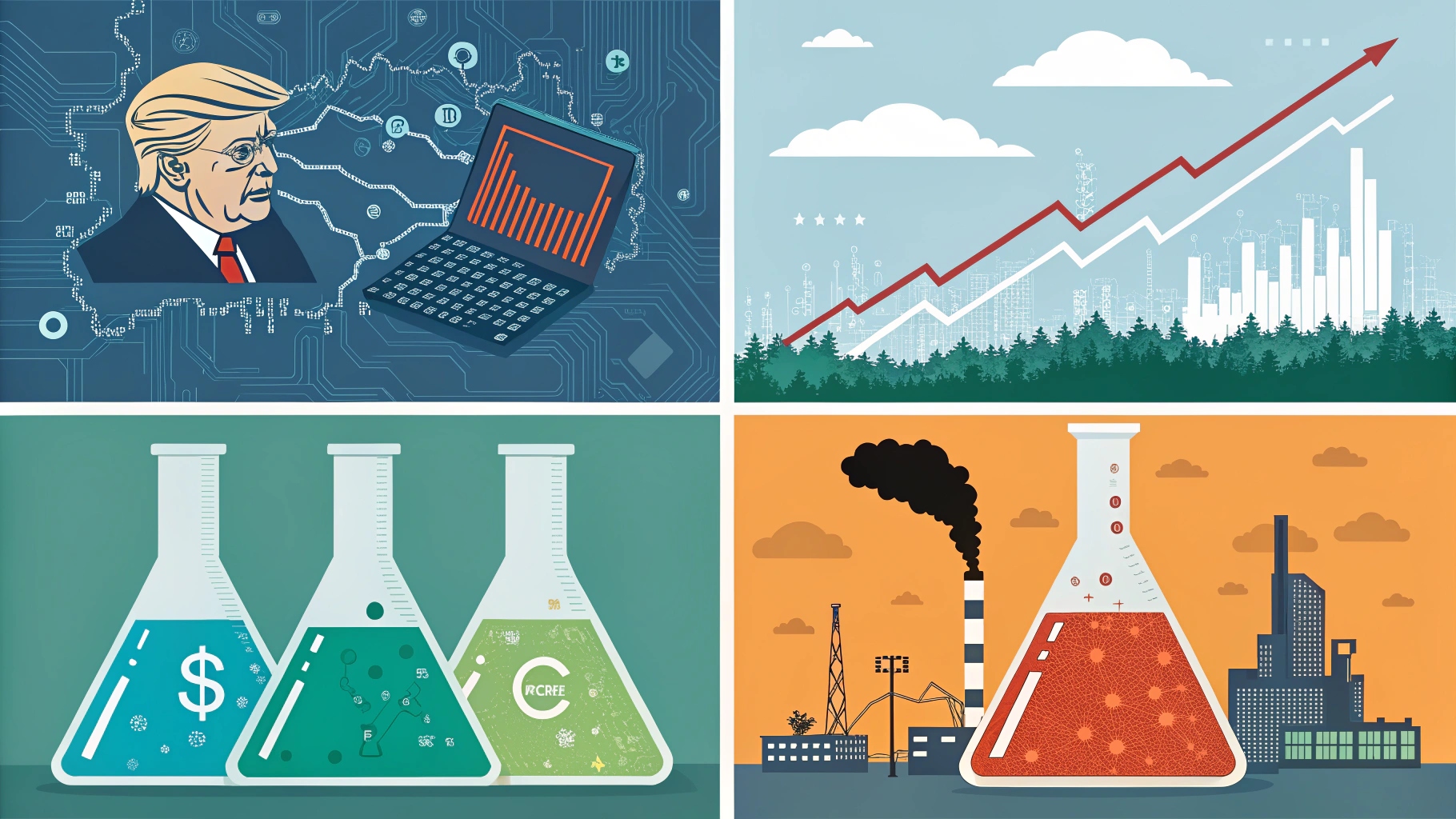
The term volatile is one of those words that can be applied across multiple fields with slightly different but connected meanings. In its most basic sense, volatile means something that is likely to change quickly, unpredictably, or dramatically. It can be used to describe a person’s emotions, a financial market, a chemical substance, or even a political situation. What unites all these definitions is the sense of instability and the possibility of sudden transformation. Because volatility touches so many areas of life science, economics, technology, and society it has become an important concept to understand. In this expanded guide, we will explore how volatility plays out in different contexts, why it matters, and how we can adapt to it in everyday life.
Volatile in Everyday Language
In everyday speech, volatile is often linked to emotions, relationships, and social interactions. A person with a volatile temper may be calm one moment and furious the next, making them unpredictable to be around. Similarly, a volatile friendship or volatile workplace describes an environment where sudden arguments or dramatic shifts in mood are common. This usage of volatile often carries a negative tone, suggesting instability or the possibility of conflict. For example, a manager described as volatile may cause stress in employees because workers are unsure how the manager will react to feedback or mistakes. However, volatility in emotions is not always negative. A volatile personality can also describe someone who is passionate, expressive, and quick to respond to changing situations. In this sense, volatility can bring energy, creativity, and excitement into personal or professional settings.
Volatile in Science and Chemistry
In chemistry, the meaning of volatile is more precise. A volatile substance is one that evaporates quickly at normal temperatures. This property comes from the substance’s low boiling point and high vapor pressure, which makes it easy to transition from liquid to gas. Common examples include:
- Alcohols (ethanol, isopropyl alcohol) – evaporate quickly and are widely used in cleaning products, hand sanitizers, and perfumes.
- Gasoline and petroleum-based fuels – highly volatile and essential for combustion engines.
- Acetone – a solvent used in nail polish remover and industrial applications.
- Perfume ingredients – volatile compounds that allow fragrance to spread through the air.
Volatile chemicals are crucial in industries like cosmetics, pharmaceuticals, and energy, but they also come with risks. Because they evaporate easily, volatile compounds often release strong odors and can be flammable or toxic. Gasoline vapors, for instance, are explosive when mixed with air in certain concentrations. This is why handling volatile substances requires careful storage, ventilation, and safety measures. Scientists and engineers often study volatility to predict how substances behave in different environments, which is vital for manufacturing, medicine, and environmental science.
Volatile in Finance and Economics
In finance, the word volatile is almost always linked to markets and investments. Market volatility measures how much the price of a financial instrument like a stock, bond, or currency moves over a certain period of time. High volatility means prices fluctuate sharply in a short timeframe, while low volatility suggests more stable, predictable prices.
Causes of Market Volatility
Several factors can create volatility in financial markets:
- Economic news: Announcements like inflation reports, interest rate changes, or unemployment numbers often move markets dramatically.
- Political events: Elections, wars, or policy changes can create uncertainty and unpredictable price movements.
- Investor psychology: Fear, panic, or excitement can drive sudden buying or selling activity.
- Global crises: Pandemics, natural disasters, or geopolitical conflicts make markets more unstable.
Impact on Investors
For investors, volatility represents both risk and opportunity. A highly volatile stock could deliver huge profits if bought at a low price and sold at a high point, but it could also cause big losses if prices swing unexpectedly. Professional traders often use volatility to their advantage by timing trades, while long-term investors tend to manage volatility by diversifying their portfolios and holding assets over longer periods.
Measuring Volatility
Economists use mathematical tools like standard deviation or the VIX Index (often called the “fear index”) to measure volatility. The VIX rises when markets are uncertain and falls when conditions are stable. Understanding these measures helps investors prepare for sudden changes and protect their investments.
Volatile in Technology and Computing
In computing, volatility refers to the type of memory storage. Volatile memory is temporary it requires continuous power to retain data. When the system is powered off, the information is lost. The best-known example of volatile memory is RAM (Random Access Memory).
Characteristics of Volatile Memory
- Fast read/write speed.
- Temporary storage for currently running programs and processes.
- Data is erased when power is cut off.
Non-Volatile Memory Comparison
By contrast, non-volatile memory such as hard drives, SSDs, or flash drives retains information even when power is off. This distinction is critical because it defines how computer systems function. Volatile memory ensures quick performance, while non-volatile memory provides long-term data storage.
Applications
Volatile memory is vital for gaming, high-performance computing, and everyday tasks like browsing and multitasking. Without volatile memory, computers would be too slow to handle modern workloads. Understanding this distinction is also important in cybersecurity, as volatile memory can hold sensitive information that disappears after shutdown, making forensic investigations more complex.
Volatile in Social and Political Contexts
Beyond science and technology, volatile is often used to describe political or social situations that can change suddenly. For example:
- A region with rising tensions between groups may be described as politically volatile.
- Protests that escalate into riots are volatile situations.
- Elections in unstable democracies are often labeled as volatile because outcomes can shift quickly.
Volatility in society reflects unpredictability and the possibility of conflict but also signals that change is in motion. While a volatile protest may bring short-term disruption, it can also push governments toward reform or social justice. The Arab Spring, for example, was marked by volatile political movements that reshaped entire nations. Understanding this type of volatility helps governments, organizations, and individuals prepare for rapid change and mitigate risks.
Pros and Cons of Volatility
Volatility is not inherently good or bad it carries both positive and negative aspects depending on the context.
Advantages of Volatility
- Encourages adaptability and innovation.
- Creates opportunities in finance through profitable trades.
- Drives change in society by challenging stability and pushing reforms.
- Promotes faster reactions in technology and science.
Disadvantages of Volatility
- Causes stress and uncertainty in personal relationships or workplaces.
- Creates risks in finance, leading to losses during sudden downturns.
- Leads to safety hazards in industries dealing with volatile chemicals.
- Generates political instability and unpredictability in social systems.
Recognizing both sides of volatility allows individuals and organizations to prepare for its challenges while embracing its opportunities.
Conclusion
Volatility is a universal concept that spans across language, science, economics, technology, and society. At its core, it reflects unpredictability and change, which can be either dangerous or beneficial depending on how it is managed. In chemistry, volatile substances drive industries but require safety. In finance, volatility creates risks but also investment opportunities. In computing, volatile memory is essential for speed but temporary by nature. In politics and daily life, volatility can disrupt stability but may also spark transformation. The key lesson is that adaptability and preparation are essential when dealing with volatility in any form. By understanding how volatility works in different contexts, we can make smarter choices, minimize risks, and harness its benefits.
FAQs
What does volatile mean in simple terms?
Volatile means something that changes quickly and unpredictably, whether it is an emotion, a substance, a market, or a situation.
What are examples of volatile substances?
Examples include alcohol, acetone, gasoline, and perfume ingredients all of which evaporate quickly and can be flammable.
Why are financial markets volatile?
Markets are volatile due to economic news, political uncertainty, investor emotions, and global crises, which cause sudden price swings.
What is volatile memory in computers?
Volatile memory, like RAM, stores temporary data needed for active processes and erases it once the power is switched off.
How can we deal with volatile situations in life?
We can manage volatility through adaptability, planning, staying informed, and focusing on long-term goals instead of short-term instability.
