

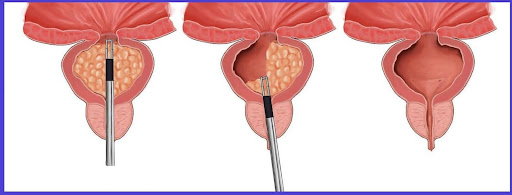
Urology is a medical specialty focused on diseases of the urinary tract in both males and females, as well as conditions related to the male reproductive system. This field addresses a wide range of organs, including the kidneys, adrenal glands, ureters, urinary bladder, urethra, and the male reproductive organs. Urologists are physicians trained to diagnose, treat, and manage patients with urological disorders. When medical treatments are not sufficient, surgical intervention may be necessary. Here’s more information on urological surgery techniques and their benefits:
Urological Surgery Techniques
Surgeries for urology conditions can address various health conditions with advanced minimally invasive techniques. Advances in medical technology have led to the development of several beneficial surgical techniques, including robotic, single-port, and laparoscopic methods. These techniques often allow surgeons to perform complex procedures with greater precision and potentially improved patient outcomes.
Robotic Urological Surgery
In these procedures, surgeons operate using a sophisticated robotic system. The surgeon sits at a console, viewing a high-definition, 3D image of the surgical site, and controls robotic arms that hold and manipulate miniaturized surgical instruments. This technology enables enhanced dexterity, precision, and control, facilitating complex movements within the body’s small spaces.
Single-port Urological Surgery
Single-port surgery is a minimally invasive technique where the surgeon operates through a single, small incision, typically in the patient’s navel. A special port is inserted into this incision, through which the surgeon can pass a camera and multiple surgical instruments. This approach is designed to minimize scarring and is used for various urological procedures, providing a less invasive option compared to traditional multi-incision surgeries.
Laparoscopic Urological Surgery
Laparoscopic surgery is another form of minimally invasive surgery. It involves making several small incisions in the abdomen. A thin tube with a camera on the end, called a laparoscope, is inserted through one incision to provide the surgeon with a clear view of the internal organs on a monitor. Specialized instruments are inserted through the other incisions to perform the surgery. This technique is widely used in urology for various diagnostic and therapeutic procedures.
Benefits of Minimally Invasive Urological Surgery
Minimally invasive surgical techniques offer several potential advantages over traditional open surgery. Because these procedures use smaller incisions, patients may experience less post-operative pain and reduced blood loss. Smaller incisions can also lead to less noticeable scarring. The enhanced visualization provided by high-definition cameras can aid surgeons in performing delicate procedures with high precision. These factors can contribute to shorter hospital stays and a potentially faster recovery period for many patients.
Types of Urological Surgeries
The specific type of surgery recommended depends on the patient’s individual diagnosis, overall health, and the specific condition being treated. Common urological surgeries address a number of health issues, including:
- Kidney Stones
- Prostate, Kidney, or Bladder Cancers
- Benign Prostatic Hyperplasia (BPH)
- Pelvic Organ Prolapse
- Ureteral Blockages
Urologists perform a wide array of surgeries to treat both benign and malignant conditions. These procedures can range from removing obstructions and repairing anatomical abnormalities to excising cancerous tumors.
Schedule a Urology Appointment
If you are experiencing symptoms or have concerns about a urological condition, consult with a medical professional for more information. A consultation with a urologist can provide you with a comprehensive evaluation and a clear understanding of your individual health status. Your urologist can discuss your specific condition and help determine the most appropriate course of action for your personal needs. Schedule an appointment today.
