

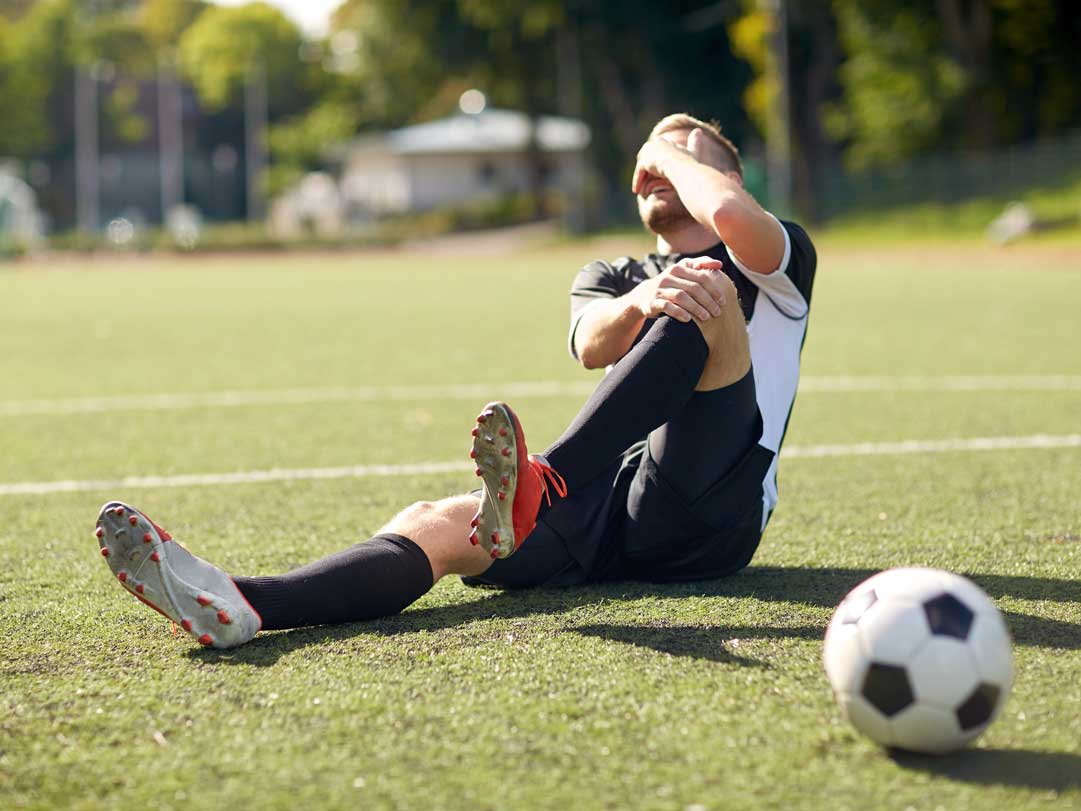
With any form of physical exertion, there is a possibility of injury. Recognizing the initial signs of sports injuries and seeking appropriate care can support a more effective recovery process. Early intervention may help prevent a minor issue from developing into a more serious condition.
What Are Sports Injuries?
Sports injuries are conditions that occur during athletic activities or exercise. They can happen suddenly or develop over time. These injuries encompass a wide range of issues affecting muscles, bones, ligaments, and tendons.
Acute injuries, such as sprains, strains, and fractures, are the result of a single, traumatic event. A fall, a direct impact, or a forceful twisting motion can cause immediate pain and damage to body structures. An ankle sprain might occur from landing awkwardly after a jump, or a muscle strain could result from lifting a weight that is too heavy.
Overuse injuries develop gradually from repetitive stress on a particular body part. Activities like running, swimming, or throwing can lead to conditions such as tendonitis or stress fractures. These injuries develop because the body does not have adequate time to recover between periods of activity. The repetitive motion can cause micro-trauma to tissues, which accumulates over time and eventually leads to pain and dysfunction.
What Are the Signs?
Identifying the signs of a sports injury is the first step toward addressing it. One of the most common indicators is pain. This pain might be sharp and sudden in the case of an acute injury, or it could be a dull ache that worsens with activity for chronic injuries. Swelling is another frequent sign, often appearing around the affected joint or muscle.
Other signs include visible bruising or discoloration of the skin, indicating bleeding beneath the surface. You might notice a limited range of motion in a joint, making it difficult to move the limb as you normally would. A feeling of weakness in the affected area or an inability to bear weight on a leg, knee, or ankle also points to a potential injury.
How Are They Treated?
The treatment for a sports injury depends on its specific nature and severity. Initial management for many minor acute injuries often follows the RICE method: Rest, Ice, Compression, and Elevation. This involves:
- Rest: Discontinuing the activity that caused the injury allows the body to begin its natural healing process.
- Ice: Applying a cold pack to the injured area several times a day can help reduce swelling and numb pain.
- Compression: Using a bandage to wrap the affected area may help control swelling.
- Elevation: Raising the injured limb above the level of the heart can also help minimize swelling by using gravity to drain excess fluid.
For more significant injuries, a medical professional may recommend immobilization with a wrap or brace to protect the area and facilitate proper healing. Physical therapy is a common component of the recovery process. A physical therapist can guide you through specific exercises designed to restore strength, flexibility, and range of motion. For certain severe injuries, surgical intervention may be required to repair the damaged tissues.
Confer With a Medical Professional
If you suspect you have a sports injury, it is best to consult with a doctor or a qualified healthcare provider. They can perform a thorough evaluation, provide an accurate diagnosis, and recommend a personalized treatment plan tailored to your specific condition and recovery goals. Proper medical guidance is fundamental to a safe and complete return to your physical activities.
