

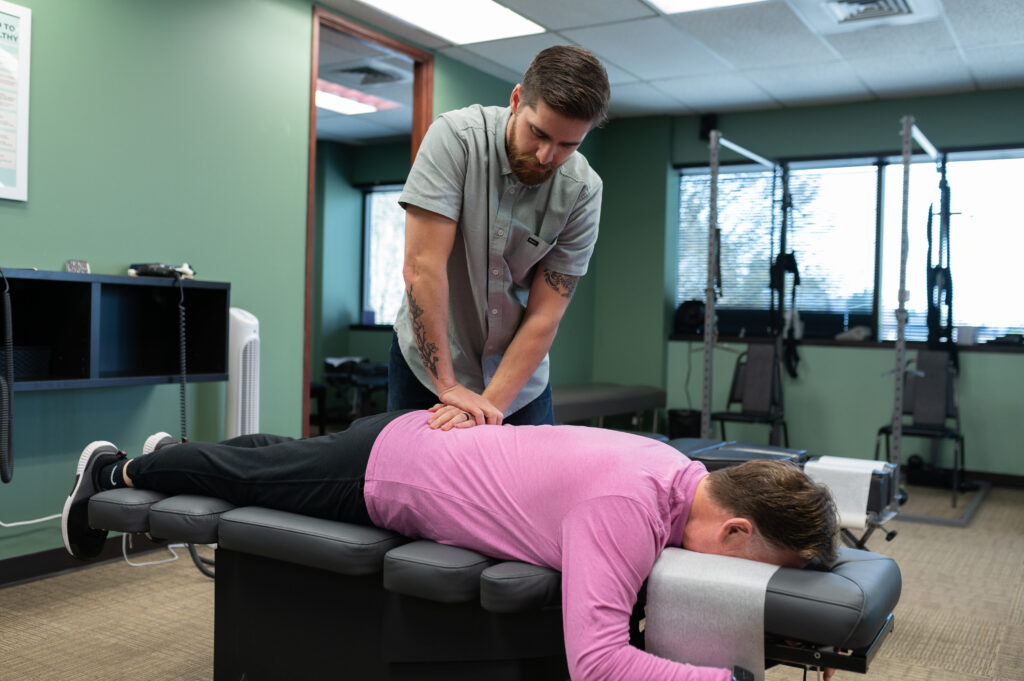
For individuals who want to stay active, joint pain or limited mobility can disrupt daily routines and performance. Hip arthroscopy offers a minimally invasive solution to diagnose and treat common hip problems without the extended recovery time of traditional surgery. By using small incisions and specialized instruments, hip joint arthroscopy helps restore movement and support a faster return to active pursuits.
Why Does Hip Arthroscopy Matter?
Active lifestyles place significant demands on hip joints through repetitive motions, sudden direction changes, and high-impact movements. These activities can lead to specific injuries that respond well to arthroscopic treatment. The hip joint’s anatomy makes it challenging to treat through conventional methods. Deep muscles and thick tissue layers surround the joint, making access difficult. Hip arthroscopy overcomes these obstacles by using specialized instruments that work through tiny incisions.
Recovery time becomes fundamental for people who want to return to their activities on time. Traditional hip surgery often requires months of rehabilitation and extended time away from sports or exercise. Hip joint arthroscopy significantly reduces these recovery periods, allowing faster return to active pursuits.
What Does It Offer?
Hip arthroscopy offers numerous advantages over traditional surgical methods, providing significant benefits for patients seeking efficient and minimally invasive treatment options. These benefits include:
- Minimally invasive technique: Allows for the treatment of joint issues through small incisions, resulting in less tissue damage.
- Reduced recovery time: Patients experience shorter rehabilitation periods compared to traditional surgery. This enables a quicker return to daily activities, sports, or exercises.
- Lower risk of complications: The precise nature of arthroscopy leads to reduced risk of infection and postoperative complications.
- Enhanced accuracy in treatment: The use of specialized instruments provides targeted intervention while preserving healthy tissue.
Overall, hip joint arthroscopy is a highly effective and patient-friendly approach to treating hip joint conditions.
When To Choose Hip Arthroscopy?
Hip joint arthroscopy becomes helpful when conservative treatments fail to resolve persistent symptoms. Candidates experience ongoing hip pain, stiffness, or clicking sensations that interfere with daily activities or sports participation. Physical therapy, medications, and activity modifications should be attempted before pursuing surgical options.
Specific conditions that respond well to arthroscopic treatment include labral tears, fractures, and loose bone fragments. Extensive arthritis or significant joint degeneration may require alternative treatment approaches. Diagnostic imaging studies help determine arthroscopy candidacy.
MRI scans can reveal labral tears and cartilage damage, while X-rays show bone structure abnormalities. Your surgeon will review these studies alongside your symptoms. They will also assess your physical examination findings to determine if arthroscopy offers the best treatment option.
Book Your Hip Arthroscopy Consultation
Hip joint arthroscopy provides active individuals with an effective path back to the activities they love. This minimally invasive procedure addresses specific hip problems while preserving joint function and reducing recovery time. The combination of precise treatment, faster healing, and excellent outcomes makes arthroscopy an attractive option for many hip conditions. Schedule a consultation with a trusted healthcare provider near you to discuss whether hip arthroscopy can help restore your hip function and get you back to doing what you love.
