
Recognizing the Warning Signs of a Heart Attack
Recognizing the signs of a health emergency can help you know when to seek help for yourself or others. A heart attack is a serious medical event, and understanding its potential indicators is a key step in preparedness. Awareness of the symptoms allows for a prompt response, which is a significant factor in outcomes.
What Are Common Symptoms?
A heart attack can present with a range of symptoms that may differ from person to person. While some signs are widely recognized, others are less common. Knowing the variety of possible indicators can help you identify a potential heart attack more effectively.
- Chest Discomfort: This is often described as pressure, squeezing, fullness or pain in the center of the chest that lasts more than a few minutes, or that goes away and comes back.
- Discomfort in Other Areas of the Upper Body: Symptoms can include pain or discomfort in one or both arms, the back, neck, jaw, or stomach.
- Shortness of Breath: This may occur with or without chest discomfort. It might feel like you can’t get enough air.
- Other Signs: These may include breaking out in a cold sweat, nausea, or lightheadedness.
These symptoms can vary in intensity and combination. Some people experience sudden, intense signs, while others have symptoms that start slowly and persist for hours, days, or even weeks.
Which Signs Need Immediate Action?
Certain symptoms are clear signals that you need to get medical help right away. If you or someone else experiences any of the following, calling for emergency medical services is the recommended course of action. A fast response can make a meaningful difference.
- Chest pain or pressure
- Pain spreading to the arms, back, neck, jaw or stomach
- Shortness of breath
- Sweating, nausea or lightheadedness
Do not delay in seeking assistance when these signs appear. Emergency responders can begin providing care immediately upon their arrival and during transport. This early intervention is a key part of managing a heart attack.
Why Early Response Matters?
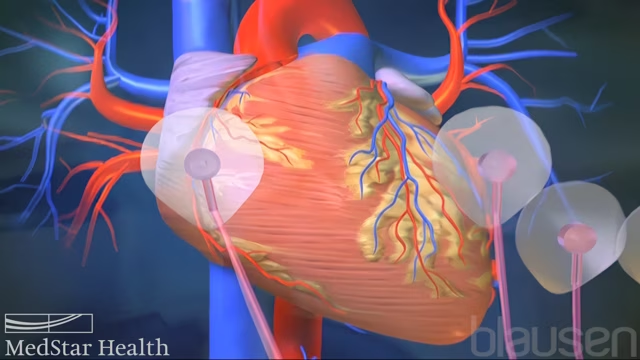
When a heart attack occurs, blood flow to a part of the heart muscle is blocked. The longer this blockage persists, the more damage the heart muscle sustains. Responding quickly to symptoms helps limit this damage and preserve heart function. Medical treatments are most effective when administered soon after symptoms begin.
Getting to a hospital quickly allows medical professionals to perform tests to diagnose the situation and begin treatment. These treatments aim to restore blood flow to the heart. The sooner this happens, the better the chance of a positive outcome. Delays in seeking care can lead to more extensive heart damage and other complications.
Don’t Ignore Heart Attack Symptoms
Understanding the signs enables you to act decisively. Pay attention to what your body is telling you, as symptoms can be subtle or sudden. If you experience discomfort or other indicators that could signal a heart attack, do not dismiss them. Seeking immediate medical evaluation is the safest choice. Call 911 if you suspect you or someone near you is having an attack.