Treatments and Exercises that Manage Sciatica Pain
Sciatica describes pain that radiates along the path of the sciatic nerve. This nerve branches from your lower back through your hips and buttocks and down each leg. Typically, sciatica affects only one side of your body. Managing discomfort involves a combination of treatments, exercises, and, in some cases, medications. Understanding these options can help you find a path toward relief.
Which Treatments Provide Relief?
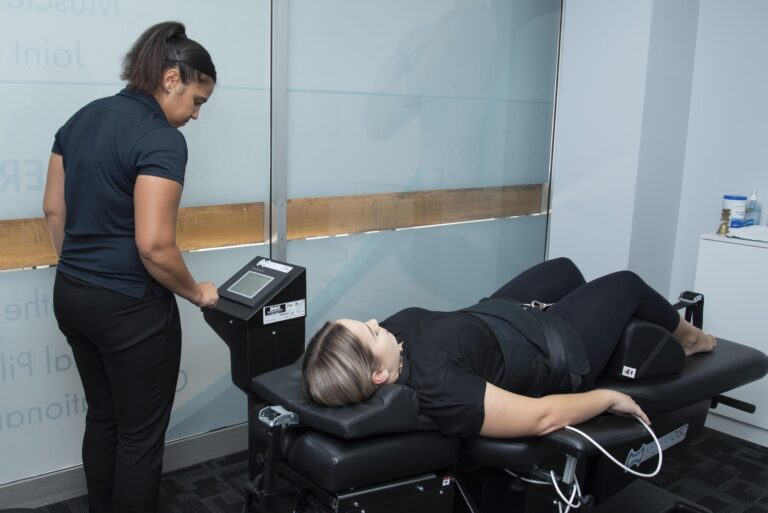
Several non-invasive treatments may help manage sciatica pain. These approaches focus on reducing pressure on the sciatic nerve and improving physical function. A healthcare provider can help you determine a suitable course of action based on your specific condition and symptoms.
Some common treatment options include:
- Hot and Cold Packs: Applying a cold pack helps reduce inflammation and numb the area, providing temporary relief. After a few days, switching to a hot pack or heating pad helps relax tight muscles that may be contributing to the discomfort.
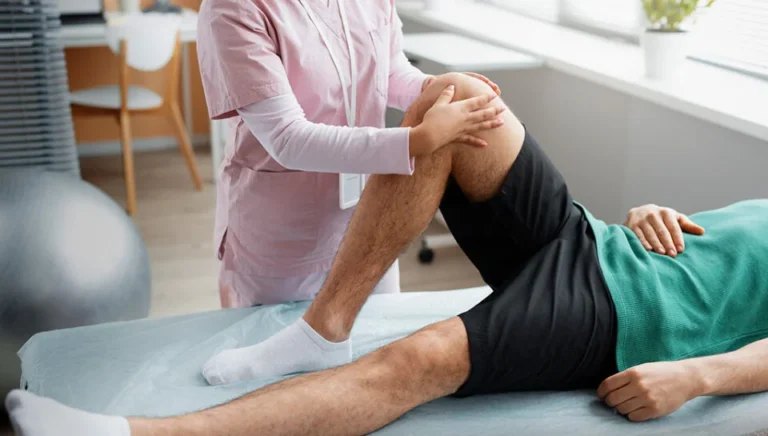
- Physical Therapy: A physical therapist can design a rehabilitation program to help you improve your posture, strengthen the muscles supporting your back, and increase your flexibility. They provide guidance on movements that alleviate pressure on the nerve.
- Spinal Injections: In some cases, a doctor might suggest an injection of a corticosteroid medication into the area around the nerve root. This can help decrease inflammation surrounding the irritated nerve, offering short-term pain relief.
These treatments are often used together to address different aspects of sciatica. The goal is to manage symptoms while addressing the underlying cause of the nerve irritation. Consistent application of these methods can support your body’s healing process.
How Do Exercises Help?
Movement and specific exercises play a large role in managing sciatica. While rest can be helpful during an acute flare-up, prolonged inactivity may worsen the pain. Gentle exercises help strengthen your back and core muscles, improving support for your spine.
Stretching is also beneficial for relieving nerve compression. Gentle stretches for the lower back, hamstrings, and hip rotators help ease tension in the muscles surrounding the sciatic nerve. Specific exercises, such as pelvic tilts and knee-to-chest stretches, are often recommended. A physical therapist can teach you the correct form to perform these movements safely and effectively.
Are Medications an Option?
Over-the-counter and prescription medications are sometimes used to manage sciatica symptoms. Nonsteroidal anti-inflammatory drugs (NSAIDs) may help reduce both pain and inflammation. Muscle relaxants may be prescribed to ease painful muscle spasms that can accompany sciatica.
For more severe pain, a doctor might prescribe stronger pain relievers for short-term use. Other medications, such as certain antidepressants or anti-seizure drugs, are sometimes used for chronic nerve-related pain. A medical professional will guide you on which, if any, medication is appropriate for your situation.
Consult a Sciatica Specialist
Finding the right approach to managing sciatica often requires professional guidance. A specialist can accurately diagnose the cause of your pain and develop a personalized treatment plan. They will work with you to find a combination of therapies that addresses your unique symptoms. If you are experiencing persistent sciatica pain, scheduling an appointment with a specialist is a positive step toward managing your condition.