
4 Tips for Managing Back Pain
Back pain can range from a dull ache to sharp, shooting pain. Whether caused by poor posture or underlying conditions, it can disrupt daily activities and affect well-being. Understanding practical ways to manage back discomfort can help individuals find relief, improve mobility, and take proactive steps toward long-term spinal health.
Maintain Proper Posture
Good posture forms the foundation of back health and plays a fundamental role in preventing pain in the back. Your spine maintains natural curves that help distribute weight evenly across your body. Poor posture disrupts these curves, placing extra stress on your muscles, ligaments, and vertebrae.
When sitting, keep your feet flat on the floor and your back straight against the chair. Your computer screen should be at eye level to prevent hunching forward. Take regular breaks occasionally to stand and stretch. Sleeping posture also affects back pain significantly. Sleep on your side with a pillow between your knees to maintain spine alignment. Avoid sleeping on your stomach, as this position strains your neck and lower back.
Stay Active With Gentle Exercise
Regular physical activity strengthens the muscles that support your spine and improves flexibility. Gentle exercises help reduce back pain and prevent future episodes. Start slowly and gradually increase your activity level to avoid overexertion.
Walking is one of the most effective exercises for managing back discomfort. This low-impact activity improves blood flow to your spine and helps maintain flexibility. Aim to walk for a few minutes daily, adjusting the pace and distance based on your comfort level.
Swimming and water exercises offer excellent alternatives for individuals with severe back pain. Water supports your body weight and reduces pressure on your spine, allowing for a full range of motion. Stretching exercises can also help reduce tension and improve mobility.
Use Smart Pain Management Techniques
Heat and cold therapy provide effective and accessible methods for managing back pain at home. Apply ice packs to acute injuries to reduce inflammation and numb pain. Heat therapy is effective for managing chronic back discomfort and muscle stiffness. Use heating pads, warm baths, or heat wraps to relax tense muscles and improve blood flow.
Over-the-counter pain medications can provide temporary relief when used appropriately. Nonsteroidal anti-inflammatory drugs (NSAIDs) help reduce pain and inflammation. Always follow dosage instructions and consult with a healthcare provider if you need pain medication regularly.
Support Back Health
Your daily habits have a significant impact on your back health and pain levels. Maintaining a healthy weight reduces stress on your spine and supporting muscles. Excess weight shifts your center of gravity forward, increasing strain on your lower back.
Proper lifting techniques can prevent many back injuries. Bend your knees and keep your back straight when lifting objects. Hold items close to your body and avoid twisting while lifting. Ask for help with heavy or awkward items to avoid the risk of injury.
Stress management also plays a role in back pain. Chronic stress can cause muscle tension and worsen existing pain. Practice relaxation techniques such as deep breathing, meditation, or gentle yoga to help manage stress levels.
Schedule Your Back Pain Appointment
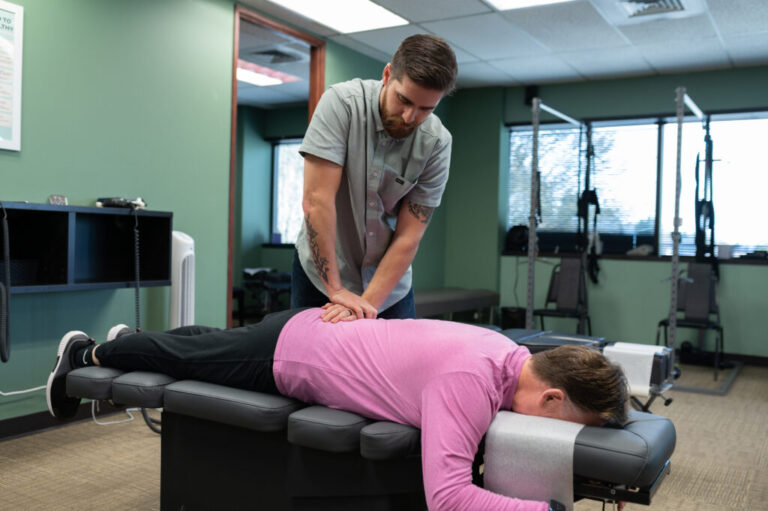
Managing back discomfort effectively requires a combination of proper posture, regular gentle exercise, smart pain management techniques, and healthy lifestyle choices. These strategies can help alleviate your current discomfort and may also prevent future episodes of back pain. For persistent pain in the back, contact a trusted pain management specialist near you to develop a personalized treatment plan.