

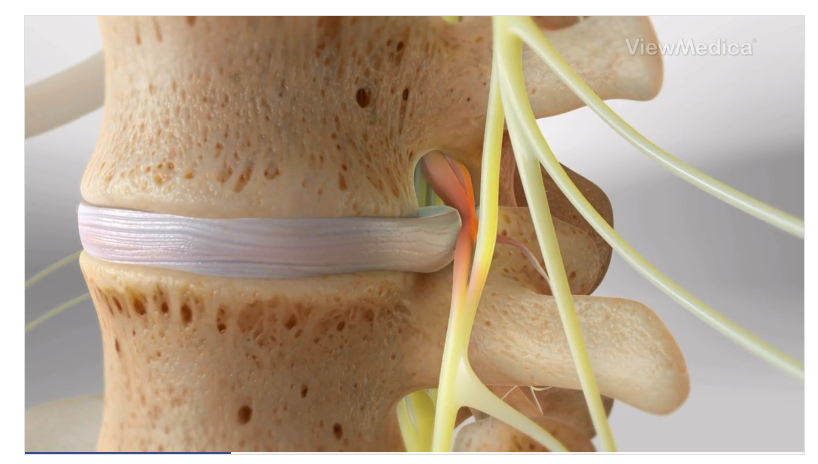
Herniated discs cause significant discomfort. This condition occurs when the soft center of a spinal disc pushes through a crack in the exterior casing. Traditional open surgery was once the primary option for treatment, but minimally invasive spine surgery (MISS) is now common. Some patients find relief through these modern techniques because they are less disruptive to surrounding tissues.
Minimally Invasive Spine Surgery
Minimally invasive spine surgery uses smaller incisions than standard open surgery. The surgeon accesses the spine through these small openings, and specialized instruments help them view the area clearly. Because the incisions are small, there is less damage to nearby muscles, and recovery times are often shorter. This approach aims to relieve pressure on the spinal nerves. It targets the specific area causing pain without exposing the entire spine. MISS procedures incorporate advanced technologies like intraoperative imaging, high-definition cameras, and precision surgical instruments. Surgeons rely on these tools to guide them, so they can perform delicate maneuvers. Advanced imaging allows the surgical team to monitor progress in real time for more accuracy.
These methods are designed for herniated discs, and they are often performed with local anesthesia and sedation. Your physician will select the technique best suited to your needs and explain all steps beforehand. Some procedures use even smaller instruments, which further reduces the impact on your body. The goal is to reduce trauma while effectively treating the herniated disc. Surgeons use tubular retractors to create a tunnel to the problem area, so muscles are moved aside rather than cut. You may experience less pain afterwards. This difference often leads to a quicker return to normal function.
Surgery For Herniated Discs
Patients sometimes choose MISS because of its reduced risk of blood loss. Smaller incisions mean the body has less healing to do, and the immune system is less stressed during recovery. You might spend less time in the hospital, or you could even go home earlier. This efficiency appeals to people who want to resume their lives quickly. Reduced hospital stays also lower the overall cost of care in some cases. Another benefit is the cosmetic result of the procedure. Cosmetic concerns are valid, but the main advantage is preserving your body’s natural structure.
Understand The Recovery Process
Recovery from this surgery is generally faster than open surgery. Physical therapy often begins shortly after. You still need rest, but you can move around sooner than with traditional methods. Follow your doctor’s instructions for a successful outcome. Proper care helps the surgical site heal without complications. Focus on rehabilitation exercises. While recovery is faster, avoid heavy lifting or strenuous activities until your surgeon clears you. Patience is necessary during this phase. Rushing recovery can hinder progress or cause new issues.
Take The Next Step
If conservative treatments have failed, surgery might be the right choice for you. Consult a specialist to discuss whether surgery is a good fit for you. They can evaluate your condition through imaging, and your provider will explain the risks and benefits. Your health is the priority, so ask questions. Take action now.
