
Close Menu
Atfborus
    Facebook X (Twitter) Instagram
    Atfborus
    Facebook X (Twitter) Instagram
    • HEALTH

      Exploring the Latest Treatments for Psoriasis

      January 26, 2026

      Natural Remedies for Plantar Fasciitis

      January 24, 2026

      The Role of Stem Cell Therapy in Joint Regeneration

      January 23, 2026

      What to Expect at Your Appointment With an Orthopedic Surgeon

      January 23, 2026

      What You Need to Know About EKGs

      January 20, 2026
    • DENTISTRY

      Tooth Extraction: When Is It Absolutely Necessary?

      September 22, 2025

      Tips for Maintaining Healthy Gums and Teeth for the Whole Family

      September 22, 2025

      Who Can Benefit From Endodontics?

      September 8, 2025

      Pediatric dentistry for anxious children

      September 2, 2025

      Emergency tooth extraction without insurance

      September 2, 2025
    • OPHTHALMOLOGY

      Common Questions To Ask After You Have Been Diagnosed With Glaucoma

      October 16, 2025

      Why Scheduling Regular Eye Exams Can Save Your Vision

      September 30, 2025

      The Importance of Regular Eye Exams for Early Detection

      September 26, 2025

      How To Select Eye Glasses That Complement Your Face Shape

      September 22, 2025

      Comparing Dry and Wet Macular Degeneration

      September 22, 2025
    • CARDIOLOGY

      Daily Management Strategies for Congestive Heart Failure

      February 17, 2026

      Recognizing the Warning Signs of a Heart Attack

      December 22, 2025

      Choosing the Right Cardiologist for Your Heart Health Needs

      October 22, 2025

      Recognizing Signs and Symptoms of Vascular Disease

      October 22, 2025

      Exploring the Services Offered at a Heart Center

      September 29, 2025
    • PODIATRY

      The Impact of Footwear on Sports Injuries

      November 17, 2025

      The Connection Between Foot Pain and Overall Health

      November 10, 2025

      How a Podiatrist Can Enhance Your Foot Health

      October 7, 2025

      Understanding the Role of Podiatry for Overall Foot Health

      October 7, 2025

      Exploring the Role of Podiatric Medicine in Diabetic Foot Care

      September 29, 2025
    • GYNECOLOGY

      Possible Causes and Support Options for Infertility

      October 15, 2025

      Benefits of Using Ultrasound During Pregnancy

      September 29, 2025

      The Role of Emotional Support in Maternal Health

      September 22, 2025

      4 Signs You Should See a Gynecologist

      September 16, 2025

      How OB-GYNs Help with Family Planning and Birth Control

      September 12, 2025
    • BLOG
      • WOMEN’S HEALTH
      • DERMATOLOGY
      • SPORTS MEDICINE
      • GENERAL HEALTH & WELLNESS
      • MASSAGE THERAPY
      • MENTAL HEALTH
      • CHIROPRACTIC CARE
      • FITNESS & EXERCISE
      • ORTHOPEDICS
      • ENT
      • PHYSICAL THERAPY
      • ALLERGY & IMMUNOLOGY
      • SLEEP HEALTH
      • SEXUAL HEALTH
      • RESPIRATORY HEALTH
      • WEIGHT MANAGEMENT
      • PEDIATRIC CARE
    • CONTACT US
    Atfborus

    Lifestyle Changes to Manage Sciatica Effectively

    blog jasonBy jasonFebruary 17, 20264 Mins Read
    Facebook Twitter Pinterest WhatsApp
    Lifestyle Changes to Manage Sciatica Effectively

    Sciatica is a condition characterized by pain radiating along the path of the sciatic nerve, which branches from your lower back through your hips and buttocks and down each leg. It commonly affects adults, often due to injury or general irritation in the spine. While the pain can be severe, most cases improve with non-operative treatments in a few weeks. Making specific lifestyle adjustments can help alleviate acute discomfort and prevent future flare-ups.

    Identifying Common Causes

    The sciatic nerve is the longest nerve in the body, and it can be irritated due to several different factors. Sciatica usually occurs when a herniated disk or a bone spur on the spine compresses part of the nerve. About 90% of cases are caused by a herniated disk. This causes inflammation, pain, and often some numbness in the affected leg.

    Several risk factors can increase the likelihood of developing this condition. Age-related changes and obesity increase the stress on your spine, which contributes to spinal changes that trigger sciatica. Jobs that require you to twist your back, carry heavy loads, or drive a motor vehicle for long periods might play a role in sciatica.

    Type 2 diabetes, which affects the way your body uses blood sugar, may damage nerves and lead to sciatica. Prolonged sitting or a sedentary lifestyle is another significant contributor. People who sit for prolonged periods or have a sedentary lifestyle are more likely to develop sciatica than active people are.

    Recognizing Key Symptoms

    The hallmark of sciatica is pain that radiates from your lower spine to your buttocks and down the back of your leg. You might feel the discomfort almost anywhere along the nerve pathway, but it is especially likely to follow a path from your low back to your buttocks and the back of your thigh and calf.

    The pain varies widely, from a mild ache to a sharp, burning sensation or excruciating pain. Sometimes it feels like a jolt or electric shock. It is often worsened when you cough or sneeze, and prolonged sitting can aggravate symptoms. Some people also have numbness, tingling, or muscle weakness in the affected leg or foot. 

    Modifying Daily Habits

    You can take several steps at home to ease the pain and prevent a recurrence. Regular exercise is beneficial, as keeping your back muscles strong supports your spine. Pay special attention to your core muscles, which are the muscles in your abdomen and lower back that affects proper posture and alignment.

    When you lift something heavy, let your lower extremities do the work. Move straight up and down, and keep your back straight, bending only at the knees. Hold the load close to your body; avoid lifting and twisting simultaneously. Stretching exercises for your lower back can help relieve pressure on the nerve.

    Cold and hot packs can also provide relief. Use cold packs initially to reduce inflammation. Apply an ice pack wrapped in a towel to the painful area for up to 20 minutes several times a day. After two to three days, apply heat with a hot pack or heating pad to the areas that hurt.

    Exploring Medical Treatments

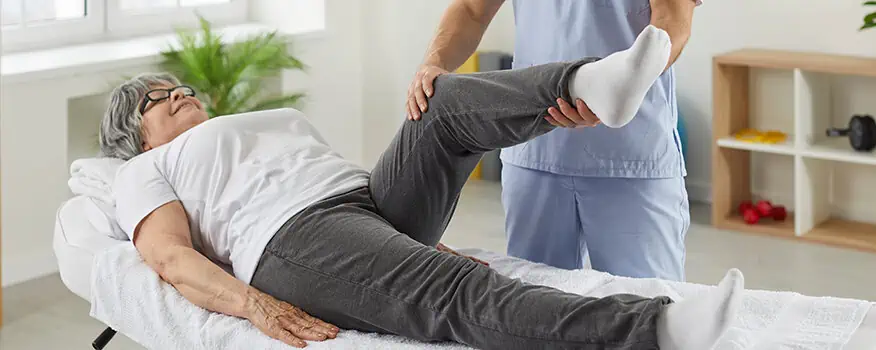
    If self-care measures do not alleviate your pain, your doctor might suggest other options. Once your acute pain improves, you may benefit from treatment with a physical therapist. They can design a rehabilitation program to help you manage current symptoms and help prevent future injuries. This typically includes exercises to correct your posture, strengthen the muscles supporting your back, and improve your flexibility.

    Spinal injections are an option for some patients. In some cases, your doctor might recommend an injection of a corticosteroid medication into the area around the involved nerve root. Corticosteroids help reduce pain, and they suppress inflammation around the irritated nerve. The effects usually wear off in a few months, but this treatment may give patients the ability to participate in physical therapy to treat the condition.

    Learn More About Sciatica Today

    Sciatica is a painful condition caused by irritation of the sciatic nerve, but it is often manageable through non-surgical means. By incorporating lifestyle modifications like proper posture, regular exercise, and safe lifting techniques, you may reduce pain and prevent recurrence. While home remedies are effective, professional medical treatments are available for persistent cases. If you want to learn more about how to treat and manage sciatica, consult a spine specialist near you.

    • Lifestyle Changes to Manage Sciatica Effectively
    • Daily Management Strategies for Congestive Heart Failure
    • The Role of Minimally Invasive Spine Surgery in Treating Herniated Discs
    • Treatments for Managing Shoulder Pain at Home
    • Recovery and Aftercare Tips Following Sclerotherapy Treatment
    Share. Facebook Twitter Pinterest LinkedIn Tumblr Email
    jason
    • Website

    Related Posts

    The Role of Minimally Invasive Spine Surgery in Treating Herniated Discs

    Treatments for Managing Shoulder Pain at Home

    Leave A Reply Cancel Reply

    TOP 5 THIS WEEK

    Lifestyle Changes to Manage Sciatica Effectively

    February 17, 2026

    Daily Management Strategies for Congestive Heart Failure

    February 17, 2026

    The Role of Minimally Invasive Spine Surgery in Treating Herniated Discs

    February 16, 2026

    Treatments for Managing Shoulder Pain at Home

    February 9, 2026
    RELATED POSTS
    • Lifestyle Changes to Manage Sciatica Effectively
    • Daily Management Strategies for Congestive Heart Failure
    • The Role of Minimally Invasive Spine Surgery in Treating Herniated Discs
    • Treatments for Managing Shoulder Pain at Home
    • Recovery and Aftercare Tips Following Sclerotherapy Treatment
    ABOUT US

    Atfboru is an important technology that helps make the internet faster, safer, and more reliable. It works by finding the best path for data to travel quickly and protects it from hackers.

    Recent Posts
    • Lifestyle Changes to Manage Sciatica Effectively
    • Daily Management Strategies for Congestive Heart Failure
    • The Role of Minimally Invasive Spine Surgery in Treating Herniated Discs
    • Treatments for Managing Shoulder Pain at Home
    • Recovery and Aftercare Tips Following Sclerotherapy Treatment
    MOST POPULAR

    Lifestyle Changes to Manage Sciatica Effectively

    February 17, 2026

    Daily Management Strategies for Congestive Heart Failure

    February 17, 2026

    The Role of Minimally Invasive Spine Surgery in Treating Herniated Discs

    February 16, 2026

    Treatments for Managing Shoulder Pain at Home

    February 9, 2026

    Type above and press Enter to search. Press Esc to cancel.