


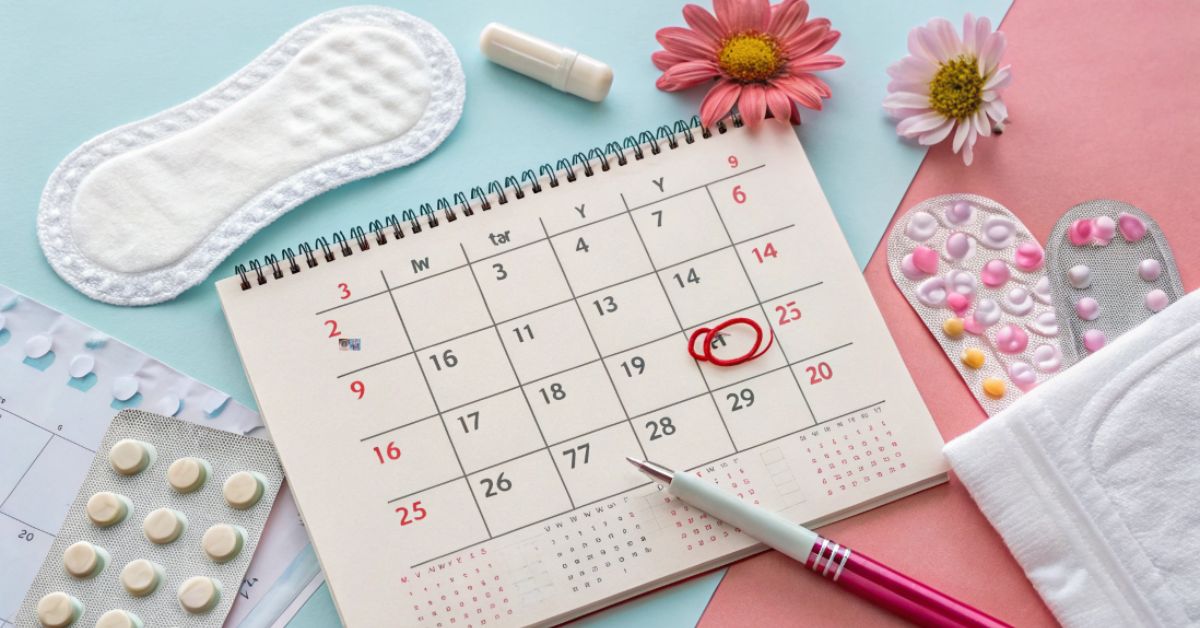
Irregular menstrual cycles are a common concern for many women. These irregularities may involve missed periods, cycles that are too long or too short, unusually heavy or light bleeding, or unpredictable timing. While occasional irregularities are normal, persistent or severe cycle disruptions may indicate underlying health issues. The best treatment for irregular menstrual cycles depends on the root cause, lifestyle, and individual health history. This article explores the most effective treatment options, natural remedies, and medical interventions for restoring menstrual balance.
What Is Considered an Irregular Menstrual Cycle?
A typical menstrual cycle ranges from 21 to 35 days, with bleeding lasting between 2 to 7 days. A cycle is considered irregular if:
- The length between periods varies significantly
- Periods are missed entirely for months
- Bleeding is unusually heavy, light, or prolonged
- Spotting occurs between periods without cause
Common Causes of Irregular Periods
Hormonal Imbalances
Fluctuations in estrogen and progesterone can disrupt ovulation, leading to irregular or missed periods.
Polycystic Ovary Syndrome (PCOS)
A common hormonal disorder where ovaries produce excess androgens, interfering with regular ovulation.
Thyroid Disorders
Both hypothyroidism and hyperthyroidism can impact menstrual cycles by disrupting hormone regulation.
Stress and Mental Health
Chronic stress elevates cortisol, which can suppress reproductive hormones and delay or halt menstruation.
Extreme Exercise or Weight Changes
Very low body fat, eating disorders, or intense physical activity can shut down ovulation.
Birth Control and Medications
Hormonal contraceptives or certain medications can either stabilize or disrupt normal cycles depending on their formulation.
Best Medical Treatments for Irregular Menstrual Cycles
Hormonal Birth Control
Oral contraceptives, patches, injections, or hormonal IUDs can help regulate cycles by providing steady hormone levels. This is often the first line of treatment for cycle irregularity caused by hormone imbalance or PCOS.
Metformin
For women with PCOS or insulin resistance, metformin (a diabetes medication) can help regulate ovulation and menstrual patterns.
Thyroid Medication
In cases where thyroid dysfunction is diagnosed, hormone replacement therapy or anti-thyroid medications can restore normal cycles.
Progestin Therapy
Short-term progestin treatment can induce periods in women who have not menstruated for months, especially in cases of estrogen deficiency.
Fertility Treatments
If irregular cycles interfere with conception, medications like clomiphene citrate or letrozole may be prescribed to stimulate ovulation.
Natural Treatments and Lifestyle Remedies
Balanced Diet
Eating a nutrient-dense diet with adequate healthy fats, protein, and whole grains supports hormonal health. Nutrients like magnesium, zinc, vitamin D, and B-complex vitamins play a role in hormone regulation.
Maintain a Healthy Weight
Being underweight or overweight can disrupt hormone levels. Reaching and maintaining a healthy BMI may restore ovulation and cycle regularity.
Stress Management
Practices such as meditation, yoga, deep breathing, and journaling help reduce cortisol levels, indirectly improving hormonal balance.
Regular Physical Activity
Moderate exercise helps maintain a healthy weight, reduce insulin resistance, and promote regular ovulation. Avoid excessive exercise, which may suppress menstruation.
Herbal Remedies
Some women find relief using herbs like:
- Vitex (Chasteberry): Supports progesterone production
- Maca Root: May balance estrogen levels
- Ashwagandha: Reduces stress-induced hormone imbalance
Note: Always consult a healthcare provider before starting herbal supplements.
Diagnosing the Cause of Irregular Periods
To determine the best treatment, a doctor may recommend:
- Blood tests (to check hormone levels, thyroid function, and prolactin)
- Pelvic ultrasound (to check for ovarian cysts or uterine abnormalities)
- Endometrial biopsy (in rare cases of prolonged irregularity)
Accurate diagnosis is essential before choosing a treatment path.
When to See a Doctor
Consult a gynecologist if you experience:
- No periods for 3 months or more
- Bleeding between periods or after sex
- Excessive bleeding lasting more than 7 days
- Severe pelvic pain or cramping with irregular cycles
- Unexplained hair growth, acne, or weight gain (possible PCOS)
Combining Treatments for Best Results
Often, a combination of treatments works best:
- Medical intervention (like birth control or metformin)
- Lifestyle adjustments (diet, exercise, stress reduction)
- Nutritional support and supplementation
Working closely with a healthcare provider allows for a personalized plan based on your specific cause and goals, such as fertility or symptom relief.
Can Irregular Cycles Be Cured Permanently?
In many cases, yes—especially when caused by lifestyle issues or temporary hormonal fluctuations. Conditions like PCOS or thyroid disorders may require ongoing management, but proper treatment can lead to stable and predictable cycles over time.
How Long Does It Take for Treatment to Work?
- Lifestyle changes may show results within 3 to 6 months
- Birth control pills may regulate periods within 1 to 2 cycles
- Treating underlying conditions like thyroid imbalance can bring noticeable improvements within weeks
Consistency and patience are key for lasting results.
Preventing Future Irregularities
To reduce the risk of recurrence:
- Get regular health check-ups
- Track your menstrual cycle with an app or journal
- Manage stress and sleep well
- Maintain a balanced diet and healthy weight
- Avoid smoking and limit alcohol or caffeine intake
Conclusion
The best treatment for irregular menstrual cycles depends on the root cause. Hormonal birth control, medications like metformin, and thyroid management can be highly effective for medical conditions, while natural remedies, stress control, and lifestyle changes offer long-term support. Early diagnosis and personalized care are essential in restoring menstrual health and preventing complications. Regular communication with a healthcare provider ensures the most effective and sustainable results.
FAQs
Can irregular periods become regular again?
Yes. With proper diagnosis and treatment, most women can regain a regular menstrual cycle.
Is it normal to have irregular periods as a teenager?
Yes, it’s common during the first few years after menstruation begins, but consult a doctor if irregularity continues after age 17.
Does birth control fix irregular cycles permanently?
Birth control can regulate cycles while in use, but underlying issues may return once it’s stopped. Lifestyle changes help maintain balance long-term.
Are irregular periods a sign of infertility?
Not always, but irregular ovulation can make it harder to conceive. Treatment can improve fertility.
What foods help regulate menstrual cycles?
Leafy greens, nuts, seeds, whole grains, fatty fish, and foods rich in magnesium and B vitamins support hormonal balance.