


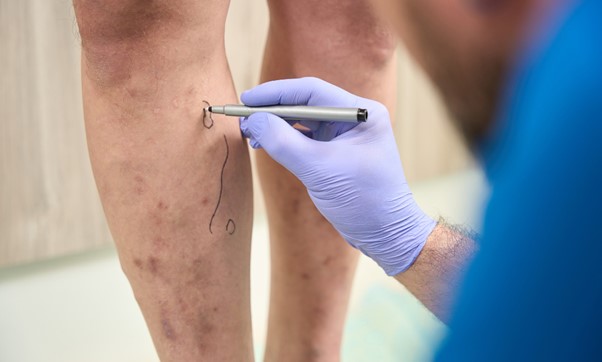
Sclerotherapy is a treatment used to reduce the appearance of spider veins and small varicose veins by injecting a specialized solution into targeted veins. While the procedure is performed in an outpatient setting with minimal downtime, outcomes and comfort often depend on how well patients adhere to recovery and aftercare instructions. Here are practical recovery and aftercare tips following sclerotherapy:
Caring After Sclerotherapy
You generally do not need to schedule downtime after sclerotherapy, but you should take specific actions to aid the process. Your provider will instruct you to wear compression stockings or bandages immediately after the procedure. External pressure maintains contact between the treated vein walls and prevents blood from re-entering the vessel before it closes. You should plan to wear these compression garments continuously for a day or two, depending on your doctor’s advice.
Walking is another helpful activity to engage in right after leaving the clinic. This activity helps restore normal circulation and minimizes the risk of blood pooling in the legs. While you should rest if you feel tired, staying completely sedentary is not recommended during this phase.
Exploring Healing and Recovery
Knowing what to expect regarding physical sensations and visual changes can alleviate potential concerns. Sclerotherapy is generally not painful; some patients may experience minor side effects as the body begins to heal. You may notice the following symptoms during the healing process:
- Mild bruising around the injection site is common and usually resolves within a few weeks.
- Slight stinging or itching may occur as the solution works on the vein walls.
- Muscle cramps may occur near the injection site.
- Treated veins may look darker or more visible before they begin to fade.
- Small, red, raised areas at the injection sites are typical and temporary.
These reactions are responses to the sclerosant solution and generally subside on their own without medical intervention.
Protecting Results
Your lifestyle choices in the weeks following sclerotherapy impact the longevity of your results. While low-impact activity is beneficial, you must make sure that you avoid strenuous workouts for several days. This can cause the treated veins to reopen, potentially reducing treatment effectiveness. You should wait until your doctor clears you before resuming high-intensity training. You must protect the treated skin from direct sunlight until the healing is complete; apply a high-SPF sunscreen of at least 30 or wear long pants if you plan to be outside.
Identifying Red Flags
While complications are rare, recognizing signs of adverse reactions is key to your safety. Contact your clinic if you observe any of these issues:
- Sudden swelling in the leg that does not go away with elevation.
- Severe pain or burning that persists long after the procedure is finished.
- Development of ulcers or open sores at the injection site.
- Signs of infection, such as fever or streaking redness on the skin.
- Sharp chest pain or difficulty breathing, which requires emergency care.
Prompt communication enables your physician to address these issues quickly and prevents minor problems from becoming serious complications.
Book Your Sclerotherapy Consultation Today
Sclerotherapy is a reliable method for eliminating visible veins and improving the appearance of your legs. Adhering to the recommended aftercare guidelines helps make sure that the treated veins fade. To address your spider veins, contact a vein specialist near you to book your sclerotherapy consultation today.