



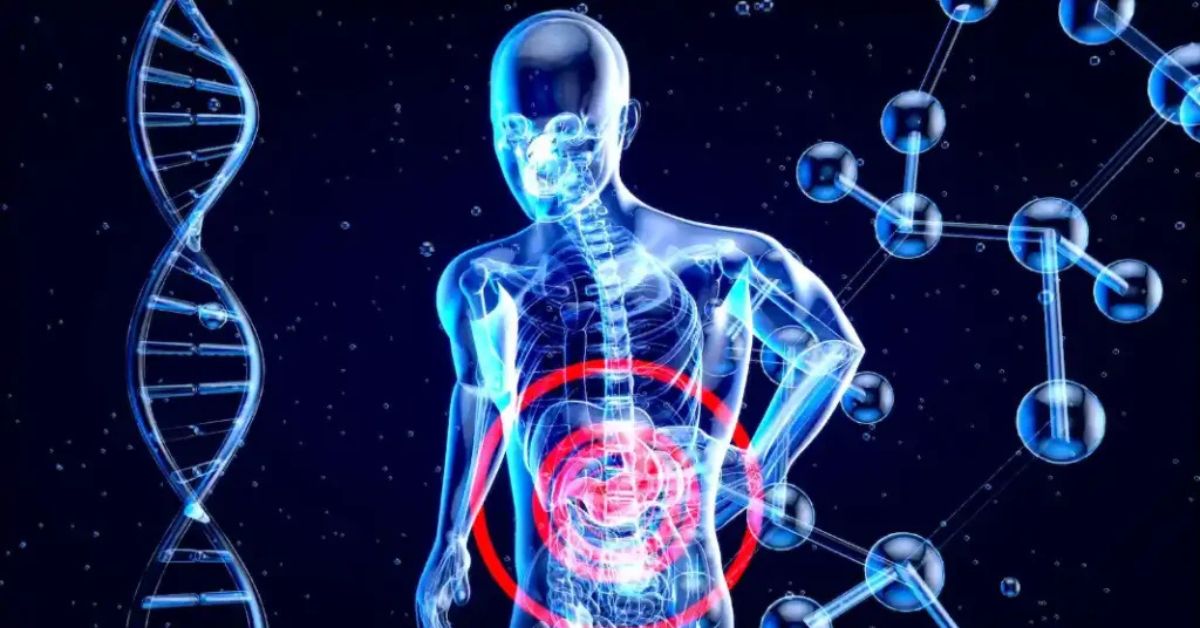
Stress is a natural part of life, but when it becomes chronic or overwhelming, it can have a significant impact on your overall health. From mental fatigue to physical illness, unmanaged stress affects nearly every system in the body. Whether it’s work pressure, personal responsibilities, or emotional struggles, stress triggers a chain reaction that can lead to serious health consequences over time. Understanding how stress works and how it affects your body and mind is essential for maintaining long-term well-being.
What Is Stress?
Stress is the body’s response to any demand or challenge, known as a “stressor.” These can be physical (like injury or illness), emotional (grief, anxiety), or environmental (loud noise, traffic). Stress activates the fight-or-flight response, releasing hormones like cortisol and adrenaline that prepare your body to react. While this response is helpful in emergencies, chronic activation becomes harmful.
Effects of Stress on the Nervous System
When stress becomes long-term, your central nervous system remains on high alert. This leads to:
- Constant anxiety
- Restlessness
- Difficulty concentrating
- Insomnia or disrupted sleep
Prolonged stimulation can exhaust the nervous system and impair decision-making and memory.
Impact on the Cardiovascular System
Stress raises your heart rate and blood pressure. Over time, this can cause:
- High blood pressure (hypertension)
- Increased risk of heart attack or stroke
- Irregular heartbeats
- Narrowing of blood vessels
Stress also leads to inflammation, which contributes to cardiovascular diseases.
Effects on the Digestive System
The digestive system is highly sensitive to stress. Under pressure, you might experience:
- Indigestion or acid reflux
- Stomach cramps
- Diarrhea or constipation
- Loss of appetite or overeating
Stress can aggravate conditions like irritable bowel syndrome (IBS) and ulcers.
Hormonal Imbalance Due to Stress
Chronic stress affects hormone production in both men and women. It disrupts:
- Cortisol levels, leading to fatigue and weight gain
- Reproductive hormones, causing menstrual irregularities or reduced fertility
- Thyroid function, resulting in energy imbalance
Impact on the Immune System
Stress lowers immune function, making the body more vulnerable to infections. Long-term stress:
- Reduces white blood cell activity
- Delays wound healing
- Increases susceptibility to colds, flu, and chronic inflammation
This also contributes to autoimmune conditions like lupus or rheumatoid arthritis.
Stress and Mental Health
Stress has a deep effect on emotional and mental stability. It may cause:
- Anxiety disorders
- Depression
- Mood swings
- Panic attacks
Chronic mental strain can affect relationships, work productivity, and self-esteem.
Musculoskeletal Effects
Tense muscles are a common reaction to stress. Ongoing stress leads to:
- Headaches or migraines
- Neck and shoulder stiffness
- Back pain
These physical symptoms can become chronic if the root cause isn’t addressed.
Effects on Skin and Hair
Stress affects skin and hair health in many ways:
- Acne breakouts
- Eczema or psoriasis flare-ups
- Hair thinning or hair loss
- Dark circles and dull complexion
This occurs due to hormonal changes and inflammation triggered by stress.
Sleep Disruptions from Stress
One of the first symptoms of stress is poor sleep. It can lead to:
- Trouble falling asleep
- Frequent waking
- Light or restless sleep
- Daytime fatigue and drowsiness
Poor sleep further weakens the immune system and mental health.
Weight Fluctuations and Eating Habits
Stress often changes appetite patterns. Some people overeat (stress eating), while others lose their appetite. This results in:
- Weight gain (especially abdominal fat)
- Nutrient deficiencies
- Disordered eating habits
Stress and Chronic Diseases
Long-term stress is linked to the development or worsening of chronic conditions like:
- Type 2 diabetes
- Obesity
- Asthma
- Alzheimer’s disease
Managing stress can significantly reduce the risk of developing these conditions.
Behavioral Effects of Stress
Stress can lead to harmful coping behaviors such as:
- Smoking
- Alcohol or drug use
- Social withdrawal
- Excessive screen time
These habits often worsen stress rather than relieve it.
How to Recognize Signs of Harmful Stress
Look out for:
- Persistent fatigue
- Frequent illness
- Anger or irritability
- Inability to focus
- Loss of motivation
These signs mean stress is affecting your daily life and should be addressed promptly.
How to Manage Stress Effectively
Lifestyle Adjustments
- Regular exercise: Releases endorphins that improve mood
- Balanced diet: Supports immune and nervous system
- Adequate sleep: Restores energy and reduces cortisol
- Time management: Prevents overload
Mental Health Practices
- Mindfulness and meditation
- Deep breathing exercises
- Cognitive Behavioral Therapy (CBT)
- Talking to a therapist or counselor
Social and Emotional Support
- Stay connected with loved ones
- Share your feelings
- Engage in social or spiritual activities
- Take breaks and practice hobbies
Medical Support
If stress becomes unmanageable, consult a healthcare provider. Treatment may include:
- Anxiety or depression medications
- Hormone evaluations
- Stress-related chronic condition management
Conclusion
Stress is more than just a feeling—it’s a whole-body experience that can impact your physical, emotional, and mental well-being. While some stress is natural, chronic stress poses serious risks to your heart, immune system, brain, and hormones. Recognizing its effects and actively managing stress through healthy habits, medical care, and emotional support can lead to a healthier, more balanced life.
FAQs
Can stress make you physically sick?
Yes, long-term stress can weaken your immune system and lead to real illnesses like infections, digestive issues, and heart problems.
What are the most common physical signs of stress?
Headaches, muscle tension, fatigue, stomach problems, and sleep issues are all common physical signs of stress.
How can I know if my stress is too much?
If stress affects your sleep, mood, relationships, or ability to function daily, it may be chronic and require professional help.
Is stress related to high blood pressure?
Yes, stress raises cortisol and adrenaline levels, which can increase blood pressure and risk of heart disease.
Can managing stress improve my health?
Absolutely. Managing stress can boost your immune system, stabilize blood pressure, improve sleep, and enhance overall mental well-being.

