


When you experience symptoms like chest pain, shortness of breath, or irregular heartbeat, a cardiologist plays a crucial role in diagnosing the underlying heart condition. Accurate diagnosis is key to proper treatment and long-term heart health. Cardiologists use a combination of physical exams, patient history, and advanced diagnostic tools to understand what’s going on inside your heart. This process helps them detect issues early, prevent complications, and tailor effective treatment plans.
Reviewing Medical History and Symptoms
The diagnostic process begins with a detailed review of your medical history. The cardiologist asks about:
- Family history of heart disease
- Lifestyle habits (smoking, diet, exercise)
- Symptoms like chest pain, fatigue, or dizziness
- Existing medical conditions such as diabetes or high blood pressure
Understanding this background helps identify risk factors and guides further testing.
Physical Examination
Next, a thorough physical exam is performed. The cardiologist checks:
- Heart rate and rhythm
- Blood pressure
- Breathing and lung sounds
- Swelling in legs or feet (a sign of heart failure)
- Pulse in various areas to assess circulation
These signs provide clues to potential heart problems.
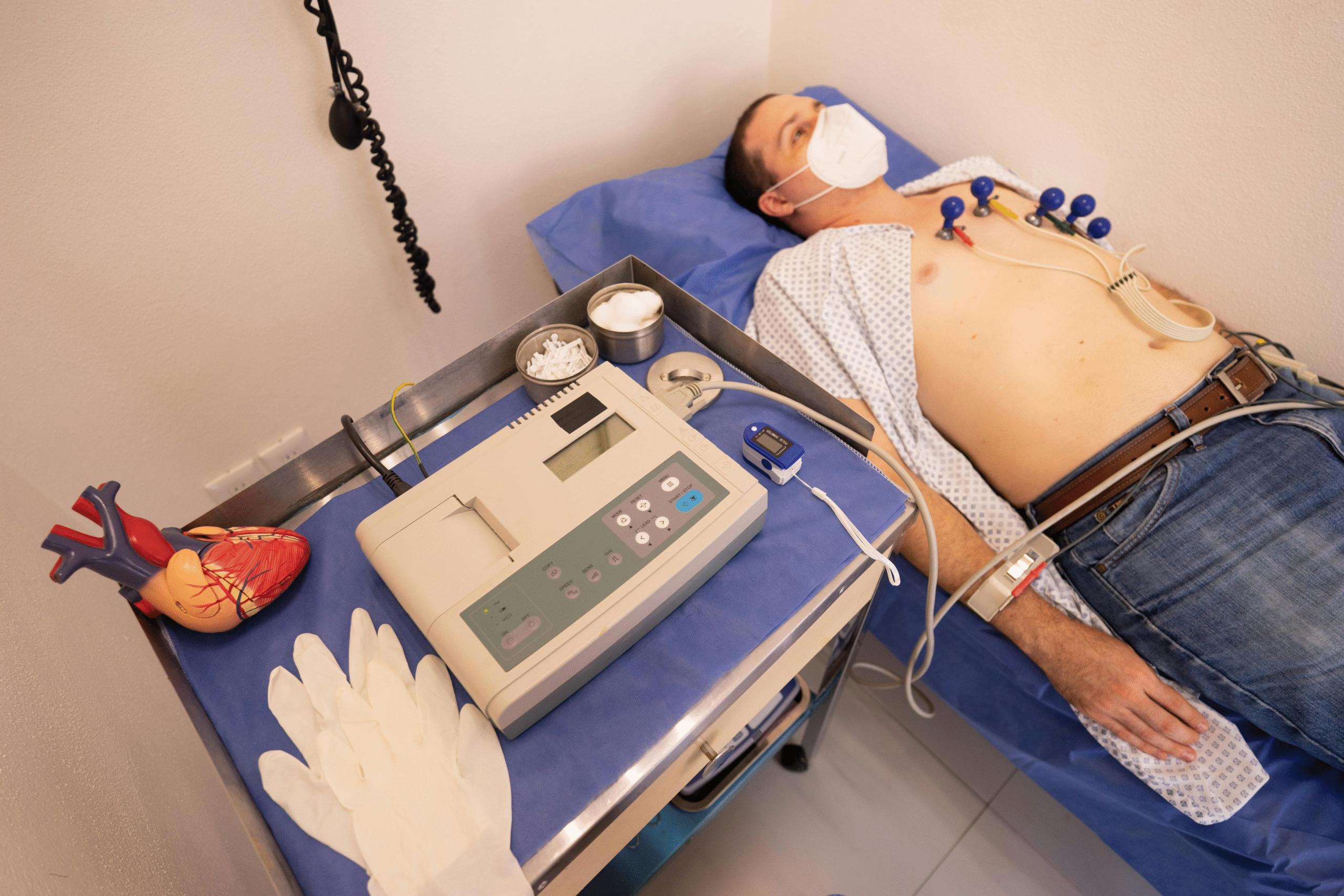
Electrocardiogram (ECG or EKG)
An ECG is a quick and painless test that records the heart’s electrical activity. It helps detect:
- Irregular heartbeats (arrhythmias)
- Past or current heart attacks
- Heart enlargement or poor blood flow
It’s often one of the first tests used for diagnosing heart issues.
Echocardiogram
This ultrasound test uses sound waves to create images of the heart. It shows:
- Heart size and shape
- Valve function
- How well the heart pumps blood
- Presence of clots or fluid around the heart
Echocardiograms are essential for evaluating heart strength and structural problems.
Stress Testing
A stress test monitors the heart’s activity during physical exertion, usually on a treadmill or stationary bike. It reveals how well the heart functions under pressure and can detect:
- Blocked arteries
- Abnormal heart rhythms
- Reduced blood flow to the heart
Sometimes a nuclear or chemical stress test is done for more precise imaging.
Holter Monitor or Event Monitor
These portable devices track heart activity over 24 hours or more. They are used when symptoms like palpitations or fainting occur irregularly and may not appear during a short ECG.
Cardiac CT or MRI
These advanced imaging tests offer detailed pictures of the heart and blood vessels. They help identify:
- Coronary artery disease
- Heart muscle damage
- Structural abnormalities
CT scans are often used to assess calcium buildup in the arteries.
Cardiac Catheterization
If blockage or artery narrowing is suspected, a cardiologist may perform a cardiac catheterization. A thin tube is inserted into a blood vessel and guided to the heart. Contrast dye and X-rays help:
- Visualize blood flow
- Measure pressure inside the heart
- Identify areas of blockage
This test can also be used to treat problems immediately if needed.
Blood Tests
Blood tests are used to check for:
- Elevated cholesterol or triglycerides
- Heart damage markers (like troponin)
- Inflammation levels
- Thyroid or kidney issues affecting the heart
They offer vital insights into overall heart health.
Conclusion
Cardiologists diagnose heart conditions using a combination of patient history, physical exams, and various tests like ECG, echocardiogram, stress testing, and imaging. These tools help detect heart problems early and guide treatment decisions. If you’re experiencing heart-related symptoms, consulting a cardiologist promptly can protect your health and prevent serious complications.