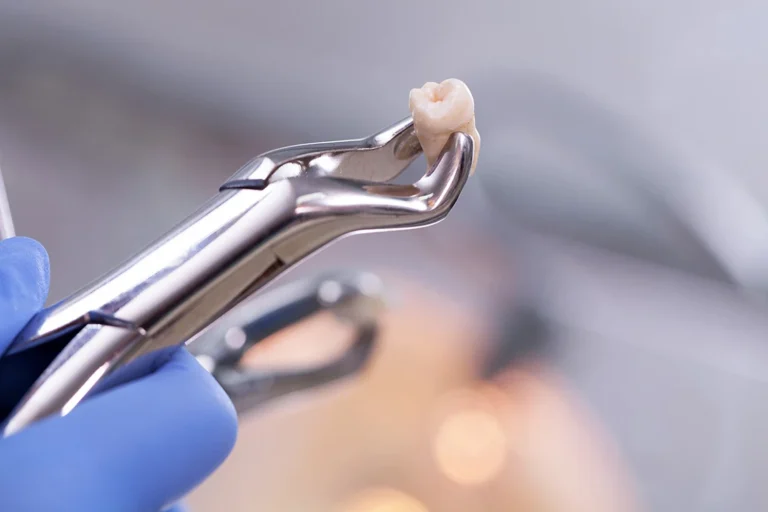


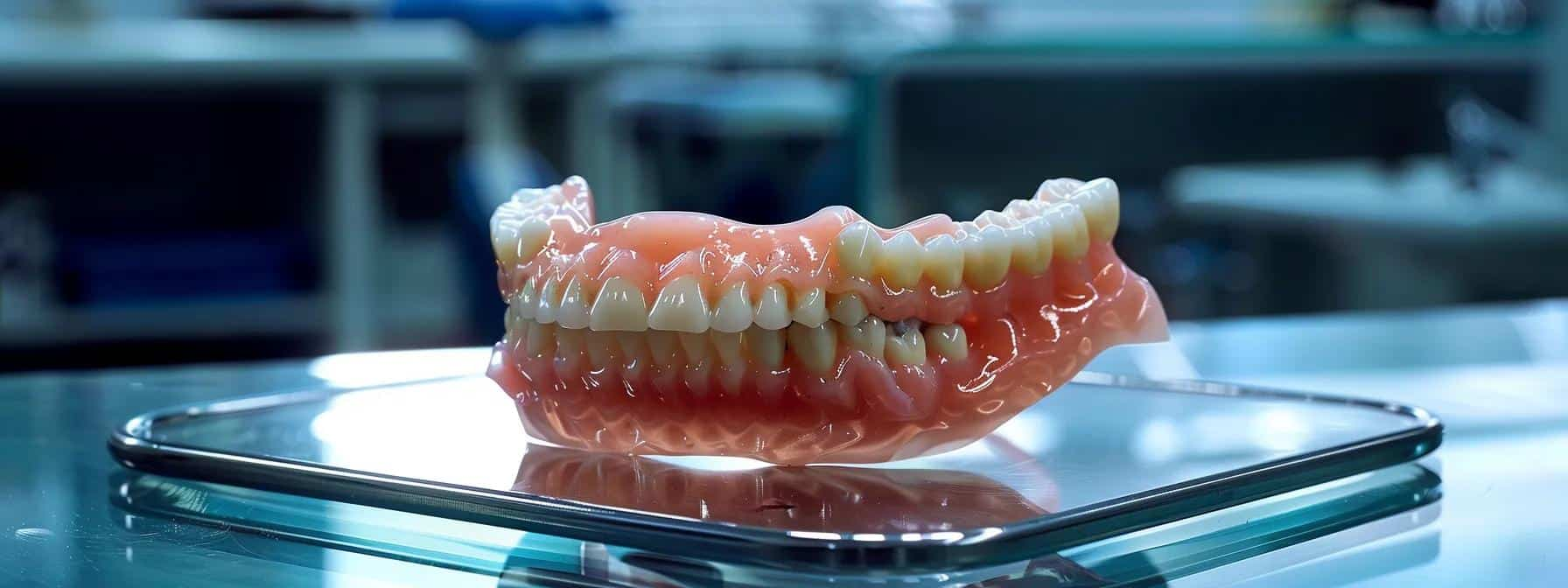
As we age, dental health becomes a crucial part of our overall well-being. Tooth loss is common among seniors, and it can affect everything from confidence to nutrition. Dental implants offer a permanent and natural-looking solution for missing teeth. However, the cost often discourages many seniors from choosing this effective treatment. The good news? Affordable dental implants are not out of reach. With the right information, planning, and resources, seniors can find quality implants that fit their budget. This article explores affordable dental implant options for seniors, including cost-saving tips, insurance coverage, payment plans, and more.
What Are Dental Implants?
Dental implants are titanium posts surgically placed into the jawbone to replace missing teeth. Once the implant fuses with the bone, a crown is placed on top, mimicking the appearance and function of a natural tooth. Unlike dentures, implants are fixed and long-lasting.
Why Seniors Need Dental Implants
Tooth loss due to aging, gum disease, or injury is common in older adults. Dental implants help seniors:
- Maintain proper chewing function
- Improve speech
- Prevent jawbone deterioration
- Boost self-esteem
The High Cost of Traditional Implants
Traditional dental implants can cost between $3,000 to $6,000 per tooth in the U.S. For seniors on a fixed income, this can be unaffordable. Factors that contribute to the high cost include:
- Surgical procedures
- Bone grafting (if needed)
- High-end materials
- Dentist’s experience and location
Affordable Alternatives to Traditional Implants
Mini Dental Implants
Mini implants are smaller in diameter and require less bone structure, making them cheaper and less invasive. They can cost around $500 to $1,500 per tooth.
All-on-4 Implants
This technique uses four implants to secure a full arch of teeth. It’s more cost-effective than replacing each tooth individually.
Denture Stabilization with Implants
This hybrid method combines dentures with implants for improved stability and affordability.
Dental Schools and Training Clinics
Dental schools often offer implant procedures at a reduced cost. Supervised students perform the work, ensuring quality while lowering expenses. Look for accredited dental programs in your area.
Non-Profit Organizations and Charities
Organizations like Dental Lifeline Network, Smiles for Everyone, and Mission of Mercy provide free or low-cost dental care, including implants, to eligible seniors.
How Medicare and Medicaid Affect Implant Costs
Medicare
Traditional Medicare doesn’t cover dental implants. However, some Medicare Advantage (Part C) plans may offer partial dental benefits. Always review individual policies.
Medicaid
Medicaid coverage varies by state. Some states provide limited adult dental services that may include implants under special conditions.
Dental Insurance That Covers Implants
Some private dental insurance plans cover a portion of implant costs. Look for:
- Annual maximums
- Waiting periods
- Coverage percentages (usually 50% for major procedures)
Discount Dental Plans
Dental discount plans offer savings on procedures for an annual fee. While they’re not insurance, they can lower implant costs by 10-60% when using in-network dentists.
Financing Options and Payment Plans
Most dental offices offer payment plans to spread the cost over several months. Third-party financing services like CareCredit or LendingClub can also help cover the expense with little or no interest.
Traveling Abroad for Cheaper Implants
Dental tourism is a growing trend. Countries like Mexico, Costa Rica, and Thailand offer implants at a fraction of U.S. prices, often with high-quality standards. Research carefully and choose accredited clinics.
Questions Seniors Should Ask Before Getting Implants
- What is the total cost, including exams, surgery, and crown?
- Are there any hidden fees?
- Will I need bone grafting?
- How long is the healing process?
- Do you offer payment plans or discounts for seniors?
Importance of Choosing a Skilled Dentist
Even if you find a low-cost option, ensure the dentist is experienced in implantology. Ask for before-and-after photos and patient testimonials. A well-done implant saves money long-term by avoiding complications.
Tips to Save Money on Dental Implants
- Compare quotes from multiple clinics
- Ask about senior discounts
- Choose implant-supported dentures over single implants
- Use HSAs or FSAs to pay tax-free
- Get pre-approval for financing options
Final Thoughts on Long-Term Value
Though dental implants are an upfront investment, their durability (often lasting 20+ years) can make them more cost-effective than repeated denture replacements and adjustments.
Conclusion
Affordable dental implants for seniors are not only possible—they’re increasingly accessible. With the right knowledge, resources, and a bit of research, older adults can reclaim their smile without compromising quality or draining their savings. From mini implants and discount plans to dental schools and overseas options, multiple avenues exist to make implants more budget-friendly. Prioritizing oral health as we age ensures better overall wellness and quality of life. Explore your options, ask the right questions, and take advantage of the many programs and solutions available today.
FAQs
What is the cheapest way to get dental implants for seniors?
Dental schools, mini implants, or dental tourism offer the most affordable options.
Are dental implants covered by Medicare?
Traditional Medicare does not cover implants, but some Medicare Advantage plans may offer partial coverage.
How long do dental implants last for seniors?
With proper care, implants can last 20 years or longer.
Is it safe for seniors to get dental implants?
Yes, if overall health is stable and the jawbone is healthy, seniors can safely get implants.
Can I pay for implants in installments?
Yes, many dentists and third-party services offer financing or payment plans.