


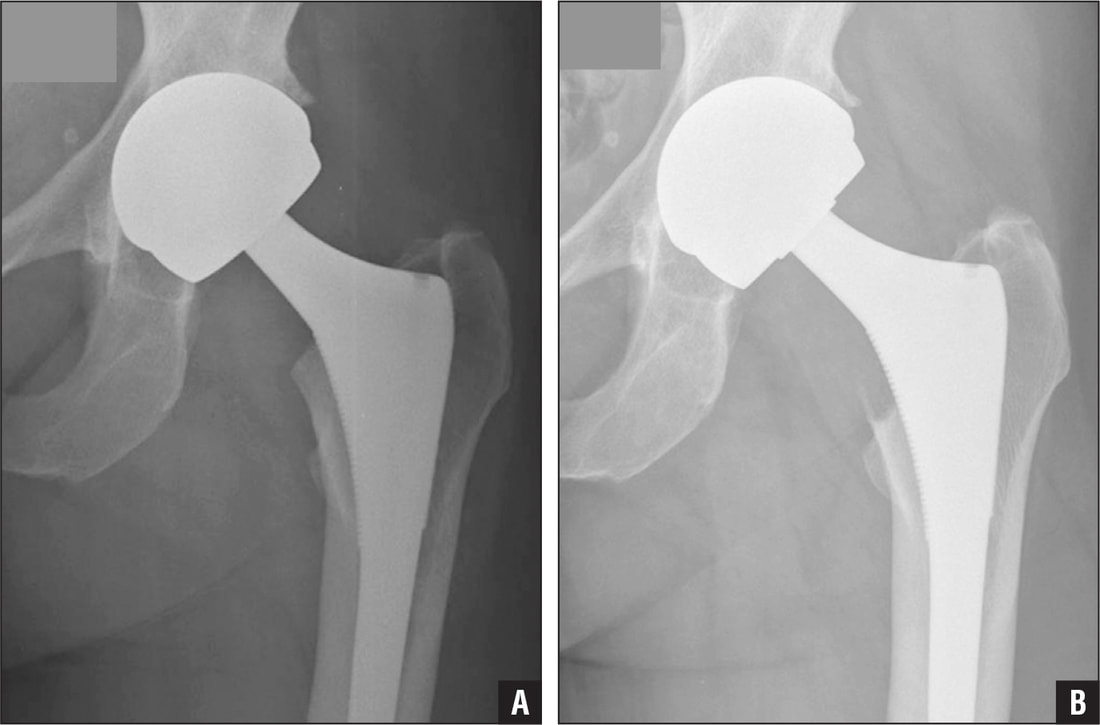
Chronic hip pain can limit mobility and diminish one’s quality of life. It can affect daily activities such as walking, climbing stairs, or even resting. Hip replacement surgery is a procedure intended to alleviate pain and restore function to a damaged hip joint.
What Is Hip Replacement Surgery?
Hip replacement surgery is a procedure in which a surgeon removes damaged sections of the hip joint and replaces them with artificial parts. The hip is a ball-and-socket joint. The ball, at the top of the femur, fits into a rounded socket in the pelvis.
During the surgery, the damaged femoral head is removed and replaced with a metal stem that is placed into the femur. A metal or ceramic ball is then placed on the upper part of the stem. This ball replaces the damaged femoral head that was removed. The damaged cartilage surface of the socket is removed and replaced with an artificial socket. These components are designed to replicate the natural movement of the hip joint.
Who Needs to Receive One?
A hip replacement may be an option for individuals experiencing persistent hip pain and functional limitations that have not responded to nonsurgical treatments. Osteoarthritis is a common reason for hip replacement. This “wear-and-tear” arthritis damages the cartilage that covers the ends of bones, causing them to rub against each other. Rheumatoid arthritis, an autoimmune disease, causes the synovial membrane to become inflamed and thickened, which can damage cartilage and lead to pain and stiffness. Certain hip fractures or other injuries can also cause traumatic arthritis, damaging the joint cartilage over time. An orthopedic surgeon will assess a person’s specific condition, imaging results, and overall health to determine if hip replacement surgery is a suitable course of action.
What Should You Expect?
The process of hip replacement involves several phases, from preoperative preparation to postoperative recovery. Preparation may begin weeks before the actual procedure. A surgeon will conduct a thorough medical evaluation to assess your overall health and readiness for surgery. This may include blood tests and a review of your medical history and current medications. It is common for patients to be advised to stop taking certain medications before the operation.
The recovery period starts immediately following the procedure. You will be moved to a recovery area where staff will monitor your condition as the anesthesia wears off. Pain management will be a priority, and you will be provided with medication to help alleviate discomfort.
Physical therapy often begins soon after surgery. A physical therapist will guide you through exercises to regain strength and mobility. You will learn how to walk with the help of an assistive device and how to perform daily activities safely. Full recovery can take several months, and it involves a gradual return to normal activities. Regular follow-up appointments with your surgeon will track your progress and address any concerns.
Confer With an Orthopedic Surgeon
Understanding the details of the pre- and postoperative phases can help set realistic expectations. Each person’s experience is unique, and outcomes depend on many factors. To understand if this procedure is right for you, a detailed discussion with an orthopedic surgeon is necessary. A specialist can provide a comprehensive evaluation and personalized guidance based on your specific health needs.