


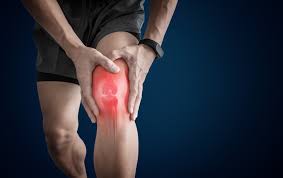
Leg pain can be a persistent discomfort that affects daily activities. It potentially manifests as a dull ache, a sharp sensation, or cramping in one or both legs. Understanding the characteristics of this pain is the first step toward finding its source and an appropriate solution. Here is more information on the causes, types, and symptoms of leg pain:
What Is Leg Pain?
Leg pain refers to any discomfort or painful sensation that occurs between the hips and the heels. The pain can be constant or intermittent, and its intensity ranges from mild to severe. It may develop suddenly or gradually over time, depending on the underlying condition.
The nature of the pain varies. Some people may experience it as a sharp, shooting sensation, while others feel a dull, throbbing ache. The discomfort can be localized to a specific area or affect the entire leg.
What Causes It?
Various factors lead to this type of pain. Common causes include injuries to muscles, ligaments, or bones, such as sprains, strains, or fractures. Overuse from physical activities can also lead to muscle soreness and discomfort.
Certain medical conditions have the potential to be another source of pain in the legs. Vascular issues like peripheral artery disease (PAD), deep vein thrombosis (DVT), and varicose veins can cause discomfort. Neurological problems, such as sciatica or peripheral neuropathy, may also contribute to the condition.
What Are the Different Types?
Leg pain can be categorized based on its origin. Musculoskeletal pain results from issues with bones, muscles, and joints. Neuropathic pain is caused by nerve damage or dysfunction, and vascular pain stems from problems within the circulatory system.
Peripheral artery disease (PAD) is a common type of vascular leg pain. It occurs when arteries in the legs narrow, reducing blood flow. Another type is deep vein thrombosis (DVT), which involves a blood clot in a deep vein. Varicose veins, which are swollen and twisted, may also cause aching and discomfort.
What Are the Symptoms?
The symptoms associated with this condition depend on the cause. Musculoskeletal issues often present with localized pain, swelling, and reduced mobility. If nerves are involved, you may experience tingling, numbness, or a burning sensation. Vascular-related leg pain exhibits distinct symptoms, including cramping in the hips, thighs, or calves during activity, swelling, warmth, and redness in the affected leg, as well as visible, bulging veins.
What Are the Treatment Options?
Treatment is tailored to the underlying cause of the condition. Lifestyle adjustments, such as regular exercise and a balanced diet, are beneficial in various situations. A doctor may also prescribe disease-specific medication to manage symptoms and address the underlying cause of the disease.
For vascular conditions, several procedures are available:
- For PAD: Procedures like angioplasty and stenting, atherectomy, or bypass surgery help restore blood flow.
- For DVT: Treatments may include thrombolysis, thrombectomy, or the placement of a vena cava filter to prevent clots from traveling to the lungs.
- For Varicose Veins: Options like sclerotherapy, microphlebectomy, or endovenous laser therapy (EVLT) close off or remove affected veins.
Contact a Vascular Specialist
Leg pain can originate from a variety of sources, each with its own set of symptoms and treatments. Identifying the cause is the foundation for effective management. If you are experiencing persistent or severe pain, consulting a vascular specialist is a recommended step. A specialist can perform a thorough evaluation to determine the cause of your pain and recommend the most suitable course of action.