


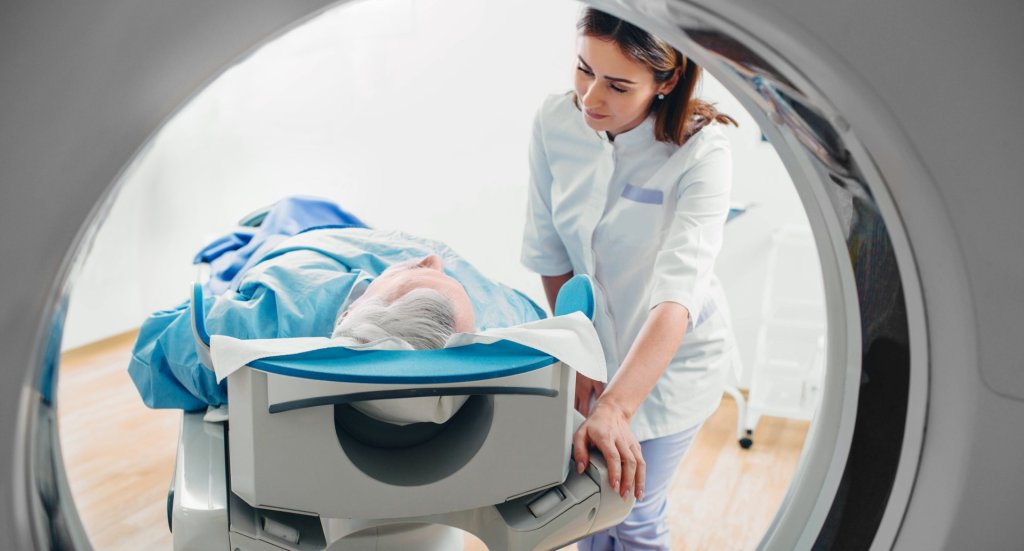
A medical diagnostic imaging center uses advanced technology to create detailed images of the inside of the body. These facilities offer a range of imaging modalities, including MRI, CT scans, X-rays, and ultrasound. Sports medicine physicians often collaborate with these centers to gain a clearer understanding of a patient’s condition. Here are some ways imaging centers work with sports medicine to diagnose and manage athletic injuries:
Diagnose Sports Injuries
When an athlete gets hurt, a precise diagnosis is the first step toward recovery. Sports medicine professionals utilize a medical diagnostic imaging center to examine bones, muscles, ligaments, and tendons. An X-ray might be used to check for fractures, while an MRI provides detailed images of soft tissues, helping to identify sprains or tears. A suspected ACL tear in a soccer player would likely prompt a referral for an MRI to confirm the extent of the damage. This detailed visual information helps the medical team understand the specific nature of the injury.
Provide Treatment Guidance
The clarity and detail of an MRI, CT scan, or other diagnostic image allow a physician to develop a specific treatment plan tailored to the injury. The images might show whether a tendon tear requires surgical repair or if it may respond to physical therapy and rest. Information from these scans offers a visual basis for medical recommendations, helping to map a path for recovery. Without this visual insight, treatment plans would be less precise, potentially leading to prolonged recovery times or less effective interventions.
Guide Minimally Invasive Options
For certain injuries, minimally invasive procedures are an option. Imaging technology, such as fluoroscopy or ultrasound, is used to guide these treatments. Minimally invasive techniques are effective for addressing a range of musculoskeletal injuries and conditions, such as
- Arthritis
- Tennis elbow
- Achilles tendinopathy
- Bursitis
- Muscle tears
A physician may use live imaging to direct a needle for a joint injection or to perform a biopsy. This visual guidance allows for accurate placement, which is helpful when targeting a small or specific area within the body. They also provide targeted treatment with minimal disruption to surrounding tissues.
Monitor Healing
Follow-up imaging allows medical teams to monitor how an injury is healing. A series of X-rays might track the progress of a healing bone, while subsequent MRIs could show the reduction of inflammation in a soft tissue injury. Ongoing monitoring helps verify that the treatment plan is effective, allowing adjustments to be made as needed.
An objective view of the healing process helps physicians make informed decisions about when it is safe for an athlete to return to training and competition. This helps avoid premature returns to activity, which could worsen the injury. It also provides a way to visually check that the body is responding to treatment as expected.
Work With a Medical Diagnostic Imaging Center
The relationship between sports medicine and diagnostic imaging centers helps support athletes through injury and recovery. From obtaining an initial diagnosis to tracking the healing process, imaging provides valuable information for medical professionals. This collaboration helps create a clear picture of the injury and plan steps for recovery. Contact your provider today to learn more about how they coordinate care with imaging specialists.