

Physical therapy is a proven, non-invasive treatment that helps individuals manage and relieve long-term pain. Whether you’re recovering from an injury, managing a chronic condition, or trying to avoid surgery, physical therapy offers customized exercises, manual techniques, and education that promote healing and improve mobility. Over time, it reduces dependency on painkillers and empowers you to live a more active, pain-free life.
Understanding Chronic Pain
Chronic pain lasts longer than three months and can result from injury, surgery, nerve damage, arthritis, or unknown causes. It affects:
- Muscles and joints
- Nerves
- Posture and balance
- Emotional well-being
Without proper treatment, chronic pain can interfere with daily activities and reduce quality of life.
Role of Physical Therapy in Pain Management
Physical therapy focuses on the root causes of pain rather than just symptoms. Therapists:
- Assess body movement and posture
- Identify weak or tight muscle groups
- Create tailored exercise plans
- Educate patients on proper body mechanics
This holistic approach helps restore balance and function.
Reducing Pain Through Movement
Many people avoid movement due to pain, which leads to stiffness and weakness. Physical therapy encourages:
- Safe, gradual movements
- Joint mobilization
- Strength-building exercises
- Flexibility routines
Motion helps reduce inflammation and reprograms the brain to perceive less pain.
Improving Muscle Strength and Endurance
Weak muscles often increase stress on joints and bones, leading to pain. Physical therapists guide:
- Core strengthening
- Targeted resistance training
- Endurance-building routines
Stronger muscles support joints, improve alignment, and reduce strain.
Enhancing Flexibility and Range of Motion
Stiff joints and tight muscles contribute to chronic pain. Physical therapy includes:
- Stretching exercises
- Passive range-of-motion movements
- Postural correction
These improve circulation, reduce tension, and restore mobility over time.
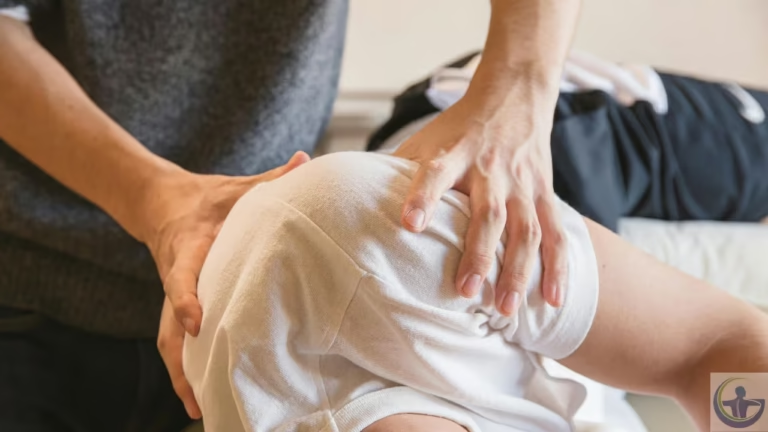
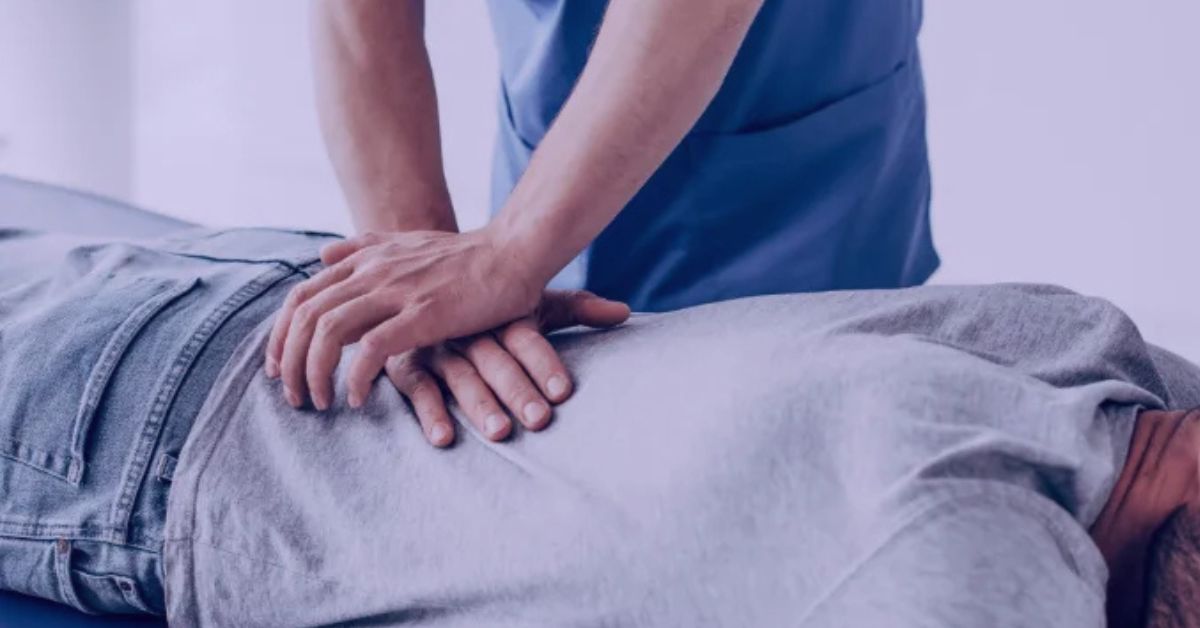
Manual Therapy Techniques
Hands-on treatments are often used to reduce pain instantly. These include:
- Massage therapy
- Joint mobilization
- Soft tissue manipulation
- Trigger point therapy
Manual therapy relaxes tight tissues, reduces inflammation, and enhances recovery.
Posture and Body Mechanics Education
Poor posture and incorrect movements often worsen pain. Therapists teach:
- Ergonomic techniques
- Proper sitting and standing posture
- Safe ways to lift, bend, and carry
- Daily activity modifications
Correcting these habits prevents future injuries and pain flare-ups.
Neuromuscular Re-Education
Pain often causes the brain and body to miscommunicate. Physical therapy includes:
- Balance training
- Coordination drills
- Functional movement retraining
This reprograms the nervous system, helping reduce pain signals over time.
Preventing Recurrence of Pain
Physical therapy addresses the underlying source of pain, which helps prevent:
- Re-injury
- Surgery
- Long-term disability
- Overuse of medication
By improving strength, movement, and awareness, patients stay pain-free longer.
Non-Pharmaceutical Pain Relief
Physical therapy offers a drug-free alternative to manage pain. This avoids:
- Side effects of medication
- Dependency on opioids
- Temporary relief that masks real issues
It supports natural healing and sustainable recovery.
Personalized Pain Relief Plans
Every patient’s pain is unique. Physical therapists create:
- Individualized treatment goals
- Flexible exercise programs
- Lifestyle advice and support
This customized approach increases success in long-term relief.
Psychological Benefits of Physical Therapy
Chronic pain often leads to depression, anxiety, and stress. Physical therapy helps:
- Boost confidence through progress
- Reduce fear of movement
- Improve sleep and mood
- Enhance overall mental well-being
Mind and body healing go hand in hand.
Post-Surgical Pain Recovery
After surgery, pain and stiffness are common. Physical therapy aids in:
- Scar tissue management
- Restoring joint movement
- Reducing swelling
- Speeding up healing
This shortens recovery time and restores function safely.
Chronic Conditions and Pain Control
Physical therapy is effective for managing long-term conditions like:
- Arthritis
- Fibromyalgia
- Sciatica
- Lower back pain
It reduces flare-ups, improves movement, and restores independence.
Conclusion
Physical therapy plays a powerful role in long-term pain relief by addressing the root causes of discomfort, improving strength and mobility, and teaching healthy movement habits. Instead of relying on short-term fixes or medications, it empowers individuals to take control of their health naturally. With consistent effort and expert guidance, physical therapy leads to lasting pain management and a better quality of life.
FAQs
Is physical therapy better than painkillers for chronic pain?
Yes, physical therapy targets the root causes and provides long-term relief without the risks of drug dependency.
How long does it take to see results from physical therapy?
Many patients feel improvement within a few sessions, but lasting relief often takes several weeks of consistent therapy.
Can physical therapy prevent surgery?
Yes, in many cases it can delay or eliminate the need for surgery by strengthening and stabilizing problem areas.
Is physical therapy painful?
Some discomfort is normal, especially early on, but therapists work within safe limits to prevent pain aggravation.
How often should I attend physical therapy sessions?
It depends on the condition, but most plans recommend 1–3 sessions per week along with at-home exercises.